
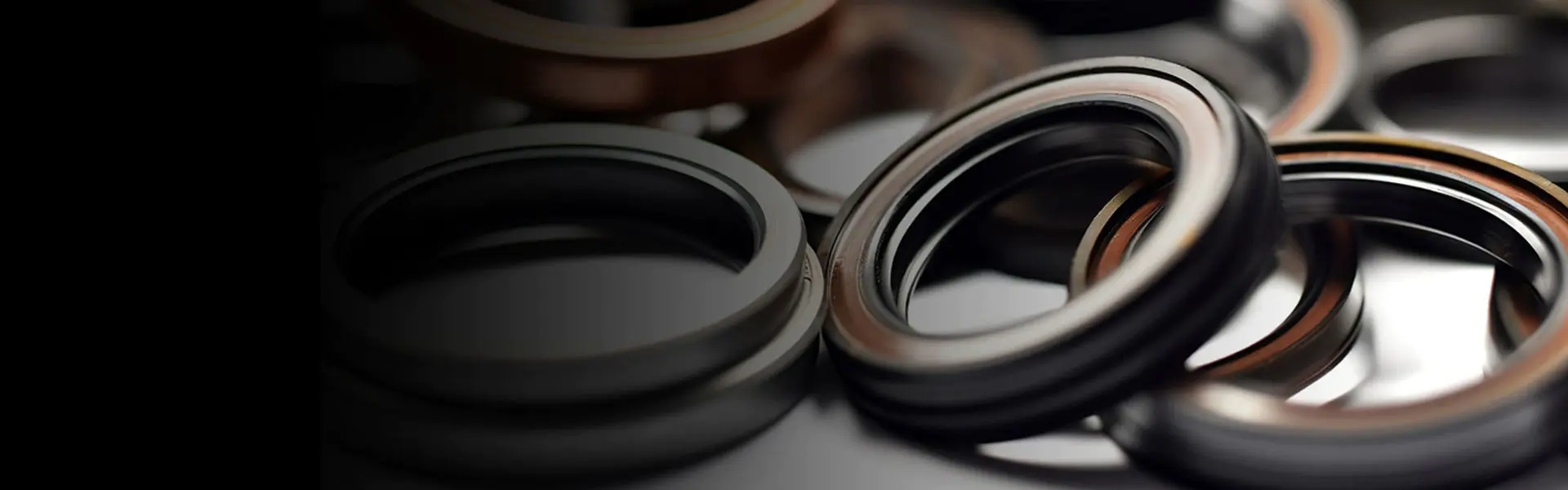
In the demanding world of industrial fluid sealing, PTFE Packing stands as a cornerstone of reliability and performance. Polytetrafluoroethylene, known universally by its acronym PTFE, is a synthetic fluoropolymer prized for its exceptional chemical inertness, wide temperature tolerance, and remarkably low coefficient of friction. PTFE Packing refers to braided, filament, or molded sealing materials used to prevent leakage of fluids—gases, liquids, or slurries—around rotating or reciprocating shafts, valves, and pumps in a vast array of equipment. Unlike traditional packings like graphite or aramid, PTFE-based solutions offer a unique combination of versatility and longevity, making them indispensable in modern processing plants, chemical facilities, and food & beverage production lines. At Kaxite, we engineer our PTFE Packing solutions to not just meet but exceed the rigorous demands of these applications, ensuring operational continuity and safety.
Choosing the right packing material is critical for system efficiency and maintenance schedules. Kaxite PTFE Packing delivers a host of advantages that translate directly into cost savings and reduced downtime.
Our product range is meticulously categorized to suit specific operational pressures, speeds, and media. Below are the detailed specifications for our core PTFE Packing series.
Ideal for general service in pumps and valves handling acids, alkalis, solvents, and aggressive chemicals.
| Parameter | Specification | Details / Value |
|---|---|---|
| Material Composition | 100% Pure PTFE Filament | Braided from high-purity, unsintered PTFE yarn. |
| Temperature Range | -200°C to +260°C | Short peaks up to 288°C possible. |
| pH Range | 0 - 14 | Full spectrum chemical resistance. |
| Density | 1.2 - 1.4 g/cm³ | Varies with braid style and size. |
| Pressure | Up to 25 MPa (3600 psi) | For rotating equipment; higher for valves. |
| Shaft Speed | Up to 15 m/s | Suitable for most centrifugal pump applications. |
| Standard Sizes | 3mm - 25mm | Square cross-section; custom sizes available. |
| Color | White | Natural PTFE color. |
Enhanced versions for higher shaft speeds, reduced break-in time, and specific media.
| Series | Key Additive | Primary Benefit | Best For |
|---|---|---|---|
| Kaxite PTFE-G | Food-Grade Graphite | Enhanced thermal conductivity, lower friction. | Hot water, steam, heat transfer fluids. |
| Kaxite PTFE-C | Corrosion Inhibitors | Extra protection for shafts in acidic/oxidizing environments. | Chlorine, bleach, strong oxidizer service. |
| Kaxite PTFE-S | Silicone-Based Lubricant | Excellent dry-running capability, smooth break-in. | Applications with intermittent dry spells. |
| Kaxite PTFE-FD | FDA-Approved Ingredients | Guaranteed non-contaminating, meets USDA/3-A standards. | Food, beverage, pharmaceutical processing. |
Q: How do I select the right size of PTFE Packing for my pump shaft?
A: The correct size is determined by the shaft diameter and the stuffing box bore. The packing cross-section (e.g., 6mm x 6mm square) is typically chosen so that the packing ring fits snugly around the shaft with a slight interference fit. A general rule is: Packing Cross-Section = (Stuffing Box Bore - Shaft Diameter) / 2. Always refer to your equipment manual or consult with a Kaxite technical specialist for precise sizing recommendations.
Q: Can PTFE Packing be used for both rotating and reciprocating shafts?
A: Yes, PTFE Packing is highly versatile. For rotating shafts (like pump shafts), braided styles with a balanced construction are recommended to handle centrifugal forces. For reciprocating shafts (like valve stems), a denser, more compact braid or die-formed rings are often used to handle the back-and-forth motion without extruding. Kaxite offers specific product lines optimized for each type of motion.
Q: What is the proper installation procedure for PTFE Packing rings?
A: Proper installation is key to performance. Clean the stuffing box thoroughly. Cut rings using a sharp blade on a mandrel the exact size of the shaft, ensuring square, butt-cut ends (never mitre cuts). Stagger the joints by 90 degrees for each consecutive ring. Use a packing installation tool to seat each ring firmly and evenly. Follow the manufacturer's torque specifications for the gland follower—initial tightening should be just enough to stop leakage, with further adjustments made after a short run-in period.
Q: How does PTFE Packing compare to mechanical seals?
A: PTFE Packing and mechanical seals are both effective sealing solutions but suit different priorities. Packing is generally more cost-effective initially, is forgiving of shaft runout and misalignment, and can be adjusted or added to in the field. Mechanical seals typically offer longer-term, leak-free operation (often meeting stricter emission standards) but have a higher upfront cost and require more precise installation. In many plants, they are used in complementary ways based on the criticality of the application.
Q: Is PTFE Packing suitable for high-pressure steam service?
A: Standard pure PTFE filament packing has limits with high-pressure, superheated steam due to cold flow potential. For such demanding steam applications, Kaxite recommends our PTFE-G series with graphite or specialized composite packings reinforced with Inconel wire or other high-temperature materials. These provide the necessary resilience and thermal conductivity to maintain a seal under extreme pressure and temperature conditions.
Q: How long can I expect Kaxite PTFE Packing to last?
A> Service life varies dramatically based on operating conditions: shaft speed, pressure, temperature, media abrasiveness, and installation quality. In a typical chemical process pump handling non-abrasive fluids at moderate conditions, Kaxite PTFE Packing can often last 6 to 18 months or more before requiring adjustment or replacement. In less demanding valve applications, life can extend to several years. Regular monitoring of leakage and gland adjustment is the best practice to maximize packing life.
Q: Does Kaxite offer custom-engineered PTFE Packing solutions?
A> Absolutely. Beyond our standard catalog, Kaxite's engineering team specializes in developing custom PTFE Packing solutions. This includes unique cross-sections (rectangular, round), specific braid patterns for enhanced density or flexibility, incorporation of proprietary additives for unique chemical compatibility, and packaging formats like coil spools or pre-formed ring sets. We work directly with OEMs and plant engineers to solve challenging sealing problems.


