
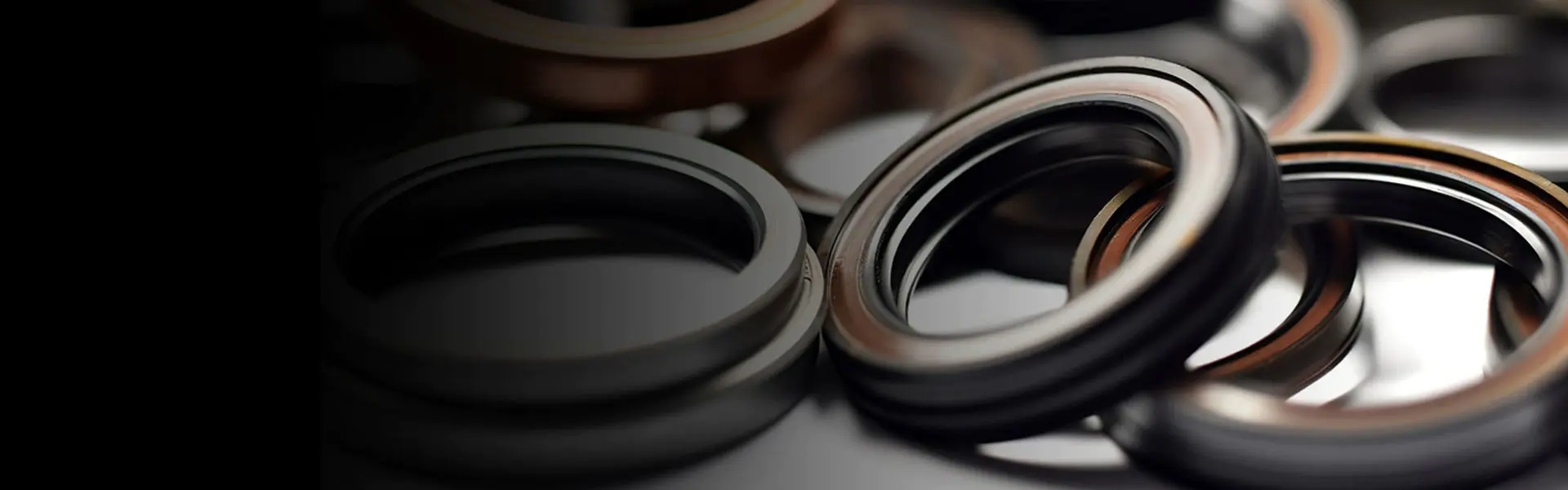
Understanding the Critical Role of Sealing Materials in Modern Engineering
In the intricate world of industrial and mechanical engineering, the integrity of a system often hinges on the most seemingly humble components: the sealing materials. These specialized substances are the silent guardians against leaks, contamination, pressure loss, and environmental ingress. From the depths of offshore oil rigs to the precision environment of pharmaceutical cleanrooms, the correct selection of a sealing material is not a matter of convenience but of safety, efficiency, and regulatory compliance. At Kaxite, with decades of material science innovation, we understand that a seal is more than just a part—it's a critical system boundary. This guide delves into the technical parameters, material science, and application expertise that define premium sealing solutions, helping engineers and procurement specialists make informed decisions for their most demanding challenges.
Core Material Types and Their Properties
The performance of any seal begins with its base material. Each polymer, elastomer, and composite offers a unique profile of strengths and limitations. Kaxite's portfolio is engineered to cover the full spectrum of industrial requirements.
- Fluoroelastomers (FKM/Viton®): The benchmark for high-temperature and chemical resistance. Ideal for applications involving oils, fuels, acids, and aromatics within a continuous service temperature range of -20°C to +200°C.
- Nitrile Rubber (NBR): An excellent general-purpose elastomer with superior resistance to petroleum-based oils, fuels, and hydraulic fluids. It offers good compression set and abrasion resistance, typically operating from -40°C to +120°C.
- Ethylene Propylene Diene Monomer (EPDM): Exceptional for weathering, ozone, steam, and hot water. Widely used in automotive, HVAC, and plumbing applications, with a temperature range of -50°C to +150°C.
- Silicone (VMQ): Provides outstanding flexibility and stability across an extreme temperature range (-60°C to +225°C). Excellent for static applications requiring high purity, such as food, medical, and aerospace, though it has lower tensile strength.
- Polytetrafluoroethylene (PTFE/Teflon®): The ultimate in chemical inertness and low friction. Kaxite's compounded PTFE materials are enhanced with fillers like carbon, glass, or bronze for improved wear resistance, creep resistance, and thermal conductivity.
- Polyurethane (AU/EU): Renowned for its exceptional tensile strength, tear resistance, and abrasion resistance, making it perfect for hydraulic seals, rods, and pistons in heavy machinery.
Decoding the Specifications: Key Parameters for Selection
Selecting the right seal requires a detailed analysis of the operating environment against the material's certified performance data. Below are the critical parameters every engineer must evaluate.
Primary Physical & Mechanical Properties
| Parameter | Description | Why It Matters | Kaxite Testing Standard |
|---|---|---|---|
| Hardness (Shore A/D) | Resistance to indentation, measured on a durometer scale. | Determines sealability and resistance to extrusion. Softer seals conform better to rough surfaces; harder seals resist pressure extrusion. | ASTM D2240, ISO 868 |
| Tensile Strength | The maximum stress a material can withstand while being stretched before breaking (MPa or psi). | Indicates the material's overall durability and ability to withstand installation stresses and pressure loads. | ASTM D412, ISO 37 |
| Elongation at Break | The percentage increase in length a material achieves before rupture. | Reflects flexibility and ability to stretch during installation and dynamic movement without cracking. | ASTM D412, ISO 37 |
| Compression Set | The permanent deformation of a material after prolonged compression. | A low compression set is critical for maintaining sealing force over time, ensuring long-term leak prevention. | ASTM D395, ISO 815 |
| Tear Strength | Resistance to the growth of a nick or cut under tension (kN/m or ppi). | Essential for dynamic seals and applications where seal damage during handling or installation is a risk. | ASTM D624, ISO 34-1 |
Chemical and Environmental Resistance Ratings
| Exposure Media | FKM Performance | NBR Performance | EPDM Performance | PTFE Performance |
|---|---|---|---|---|
| Engine Oil (150°C) | Excellent | Good | Poor (Swells) | Excellent |
| Skydrol® Hydraulic Fluid | Good to Fair* | Poor (Degrades) | Poor (Swells) | Excellent |
| Ozone & Weathering | Excellent | Fair | Excellent | Excellent |
| Steam / Hot Water | Fair | Fair | Excellent | Excellent |
| Strong Acids (Conc.) | Good | Poor to Fair | Poor | Excellent |
*Note: Specific FKM compound selection is critical for phosphate ester fluids. Kaxite provides specialized grades for such applications.
Kaxite Sealing Materials: Engineered for Excellence
Beyond standard material grades, Kaxite invests in advanced compounding and processing technologies to deliver sealing materials that solve real-world problems. Our products are characterized by:
- Batch-to-Batch Consistency: Rigorous quality control from raw polymer to finished sheet or molded product ensures predictable performance in your assembly line.
- Enhanced Property Formulations: We develop custom compounds with optimized profiles—for example, a low-temperature flexible FKM or a high-wear resistance NBR—tailored to niche industry needs.
- Comprehensive Certification Support: Our materials are tested and documented to comply with international standards such as ISO 9001, ASTM, FDA CFR 177.2600 (for food contact), USP Class VI (for medical devices), and industry-specific approvals like NSF/ANSI 61 for drinking water.
- Technical Data Transparency: Every Kaxite material is supplied with a detailed Technical Data Sheet (TDS) containing full property tables, chemical resistance guides, and temperature performance graphs.
Frequently Asked Questions (FAQ) on Sealing Materials
Q: What is the single most important factor when selecting a sealing material?
A: There is no single factor; it is always a balance. However, the primary drivers are the fluid media (chemical compatibility) and the operating temperature range. A material must be chemically resistant to the medium it seals while maintaining its physical properties across the application's full temperature cycle, including peak and continuous exposure. A failure in either area will lead to premature seal degradation and system failure.
Q: How does temperature affect the choice of sealing material?
A: Temperature dramatically influences an elastomer's properties. High temperatures can cause hardening (embrittlement), increased compression set, and accelerated chemical attack. Low temperatures can reduce elasticity, leading to seal shrinkage and loss of sealing force. Always select a material whose published temperature range exceeds your application's actual range, considering both ambient and fluid-induced temperatures. Kaxite TDS documents clearly state the recommended continuous and intermittent service temperatures.
Q: What does "compression set" mean, and why is a lower percentage better?
A: Compression set is a measure of a material's ability to recover its original shape after being compressed for a prolonged period under specific conditions (e.g., 22 hours at 70°C). A low percentage (e.g., 15%) indicates excellent recovery, meaning the seal will maintain its contact force and sealing ability over years of service. A high compression set (e.g., 50%) means the seal has permanently flattened, lost its "spring-back," and will likely leak. It is a critical metric for predicting long-term static sealing performance.
Q: Can I use a seal material rated for a higher temperature to improve its lifespan in a lower-temperature application?
A: Often, yes, but with caveats. Using a high-temperature material like FKM in a lower-temperature application (e.g., below 100°C) can enhance chemical resistance and longevity. However, high-performance materials are typically more expensive and may have different installation characteristics (like less flexibility at room temperature). The cost-benefit analysis should consider total lifecycle cost, not just unit price. Kaxite engineers can advise on the most cost-effective material for your specific duty cycle.
Q: What is the difference between static, dynamic, and rotary seal applications, and how does it affect material choice?
A: Static seals are placed between two non-moving surfaces (flanges, covers). Material choice focuses on compression set, creep resistance, and chemical compatibility. Dynamic seals see reciprocating or oscillating motion (piston seals, rod seals). Here, low friction, high wear/abrasion resistance, and excellent tear strength are paramount—materials like polyurethane or PTFE composites are common. Rotary seals involve shaft rotation. They require materials with excellent heat dissipation, low friction, and resistance to abrasive wear from shaft misalignment. Material hardness and lubrication are key considerations that Kaxite specialists can help define.
Q: How do I interpret chemical resistance charts?
A: Chemical resistance charts provide ratings (Excellent, Good, Fair, Poor, Not Recommended) based on volume swell or property loss after immersion. Key points: 1) Ratings are for neat materials; mixtures can behave differently. 2) Temperature significantly impacts resistance—a fluid rated "Good" at 25°C may be "Poor" at 100°C. 3) "Fair" may be acceptable for short-term or incidental exposure but not for continuous service. Always consult the full Kaxite chemical resistance guide and consider running application-specific compatibility tests for critical missions.
Q: Why should I choose Kaxite sealing materials over generic options?
A: Kaxite provides engineered certainty. While generic materials meet a basic specification, Kaxite invests in consistent compounding, comprehensive testing, and deep application expertise. We offer not just a product, but a solution backed by technical support, traceable certification, and material science designed to extend Mean Time Between Failure (MTBF) in your equipment. This reduces downtime, prevents costly leaks, and ensures regulatory compliance—delivering a lower total cost of ownership.


