
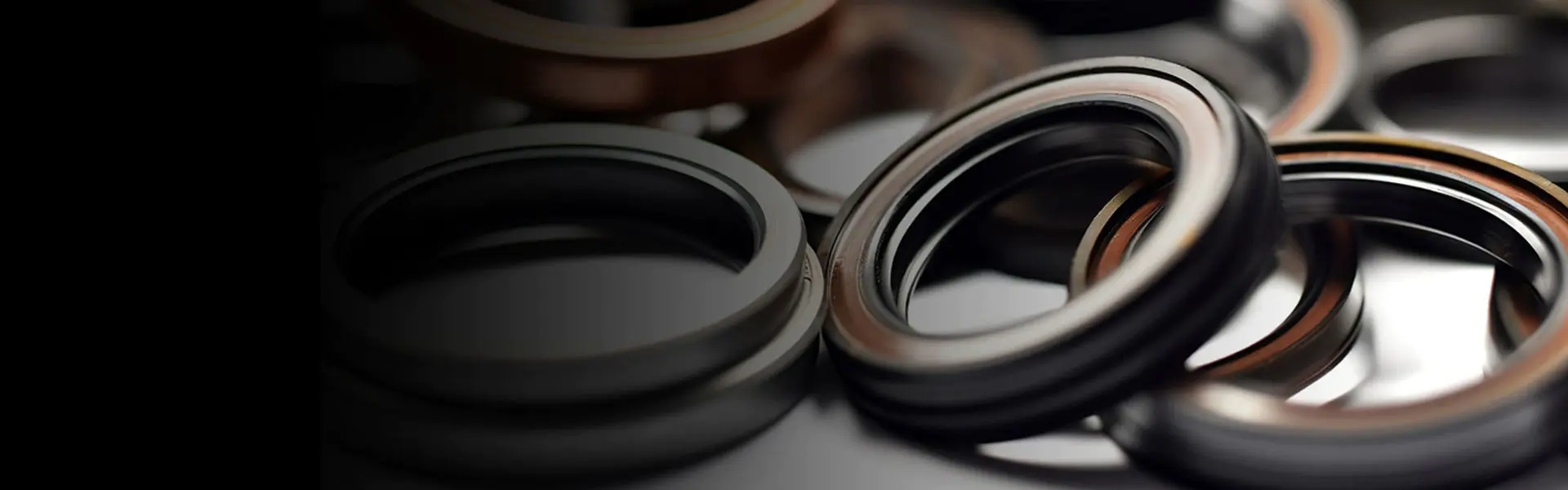
In demanding industrial sealing applications where standard gaskets fall short, Double Jacket Gaskets represent a superior engineering solution. Also known as double-jacketed gaskets, these components are specifically designed to handle extreme conditions of temperature, pressure, and chemical exposure. Unlike simple compressed non-asbestos or rubber gaskets, a Double Jacket Gasket features a robust metallic armor—typically stainless steel—encasing a soft, pliable filler material. This unique construction provides the perfect balance: the resilience and sealability of the filler combined with the strength, thermal resistance, and blow-out resistance of the metal jacket. For engineers and procurement specialists in the chemical processing, oil & gas, power generation, and pharmaceutical industries, specifying the correct Double Jacket Gasket is critical for ensuring system integrity, safety, and long-term operational efficiency.
At Kaxite, we have dedicated decades to mastering the metallurgy and manufacturing precision required for high-performance sealing solutions. Our Double Jacket Gaskets are not merely products; they are reliability engineered into a ring. We understand that a gasket failure can lead to costly downtime, safety hazards, and environmental concerns. Therefore, every Kaxite Double Jacket Gasket is manufactured to exacting standards, using premium materials and rigorous quality control processes. This article delves into the technical specifications, advantages, and application guidelines for these essential components, providing you with the knowledge to make an informed decision for your most challenging sealing requirements.
Choosing a Kaxite Double Jacket Gasket offers a multitude of benefits over alternative sealing methods:
Kaxite Double Jacket Gaskets are available in a wide range of standard and custom configurations. The performance is dictated by the combination of jacket material and filler type.
| Material | Common Grade | Temperature Range (Approx.) | Key Properties & Typical Applications |
|---|---|---|---|
| Stainless Steel | 304, 316, 316L | -425°F to 1500°F (-254°C to 816°C) | Excellent general corrosion resistance. Widely used in chemical, food, and beverage industries. |
| Carbon Steel | A36, 1018 | -20°F to 1000°F (-29°C to 538°C) | High strength and economical. Common in oil, gas, and water pipelines with non-corrosive media. |
| Nickel Alloys | Monel 400, Inconel 600/625 | -325°F to 2000°F (-198°C to 1093°C) | Superior resistance to caustic and high-temperature oxidizing environments. Used in aerospace and chemical processing. |
| Copper & Alloys | Copper, Brass | -325°F to 900°F (-198°C to 482°C) | Excellent thermal conductivity and corrosion resistance in specific applications like heat exchangers. |
| Exotic Alloys | Hastelloy C-276, Titanium | Varies by alloy | For highly aggressive chemical services (strong acids, chlorides) and specialized industrial applications. |
| Filler Material | Max Temp (Continuous) | Chemical Resistance | Key Characteristics |
|---|---|---|---|
| Expanded PTFE (ePTFE) | 500°F (260°C) | Excellent - virtually inert | High purity, low creep, suitable for aggressive chemicals and sanitary applications. |
| Flexible Graphite (Grafoil®) | 900°F (480°C) in air 4500°F (2482°C) in inert gas |
Excellent, except strong oxidizing agents | Exceptional thermal stability, good sealability, commonly used in high-temperature services. |
| Ceramic Fiber | 2300°F (1260°C) | Good | For extreme high-temperature applications, such as furnace and boiler doors. |
| Non-Asbestos Compressed Fiber (NAF) | 750°F (400°C) | Good to Moderate | Cost-effective for general service with water, steam, oils, and mild chemicals. |
| Mica | 1800°F (982°C) | Excellent | Used in high-temperature, high-pressure steam applications and fire-resistant seals. |
Q: When should I specify a Double Jacket Gasket over a Spiral Wound Gasket?
A: Both are excellent for high-pressure/temperature service, but the choice depends on the application. Double Jacket Gaskets are often preferred for larger diameter flanges (over 24"), applications with high bolt loads, or where the sealing surface might have minor imperfections, as the metal jacket provides a broader bearing surface. Spiral wound gaskets offer more spring-like recovery and are often preferred for cyclic services. Consult with a Kaxite engineer for specific recommendations.
Q: Can Kaxite Double Jacket Gaskets be used in FDA or USDA-approved applications?
A: Yes, absolutely. Kaxite manufactures gaskets suitable for sanitary and food-grade applications. By using FDA-listed materials such as 316L stainless steel jackets and ePTFE or approved elastomeric fillers, our gaskets meet the stringent requirements for cleanliness and non-toxicity in the food, beverage, and pharmaceutical industries.
Q: How do I determine the correct material combination for my service?
A: Material selection is critical and depends on three primary factors: the chemical composition of the media, the continuous operating temperature, and the system pressure. You must also consider potential for thermal cycling and pH levels. Kaxite provides comprehensive technical support and material selection guides. Always provide the full service conditions to our sales team for a guaranteed recommendation.
Q: Are these gaskets reusable?
A: Double Jacket Gaskets have good reusability potential if they are removed carefully without damaging the metal jacket. Inspect the jacket for dents, cracks, or significant corrosion and check that the filler is not excessively compressed, degraded, or missing. For critical services, Kaxite always recommends installing a new gasket to ensure optimal seal integrity.
Q: What flange surface finish is required for a Double Jacket Gasket?
A: A serrated finish is typically recommended to provide the necessary "bite" for the gasket. For metal-jacketed gaskets, a concentric or phonographic (spiral) serrated finish with a roughness average (Ra) of 125-250 micro-inches (3.2-6.3 µm) is standard. A smooth finish is not recommended as it may allow the gasket to slide under pressure.
Q: Does Kaxite offer custom shapes and sizes beyond standard flanges?
A: Yes, Kaxite specializes in custom-engineered sealing solutions. We can manufacture Double Jacket Gaskets in oval, rectangular, square, or any irregular shape required for heat exchangers, manways, boilers, and proprietary equipment. We work from your drawings or samples to deliver a perfect fit.
Q: What is the lead time for standard and custom Double Jacket Gaskets?
A: Kaxite maintains an inventory of common jacket and filler materials for standard ANSI and DIN sizes, allowing for quick turnaround on many orders. For custom sizes, exotic materials, or large diameters, lead times vary based on complexity and current production schedule. Contact our sales department for a specific quote and delivery estimate.
Proper installation is paramount to achieving the designed performance from a Kaxite Double Jacket Gasket.


