
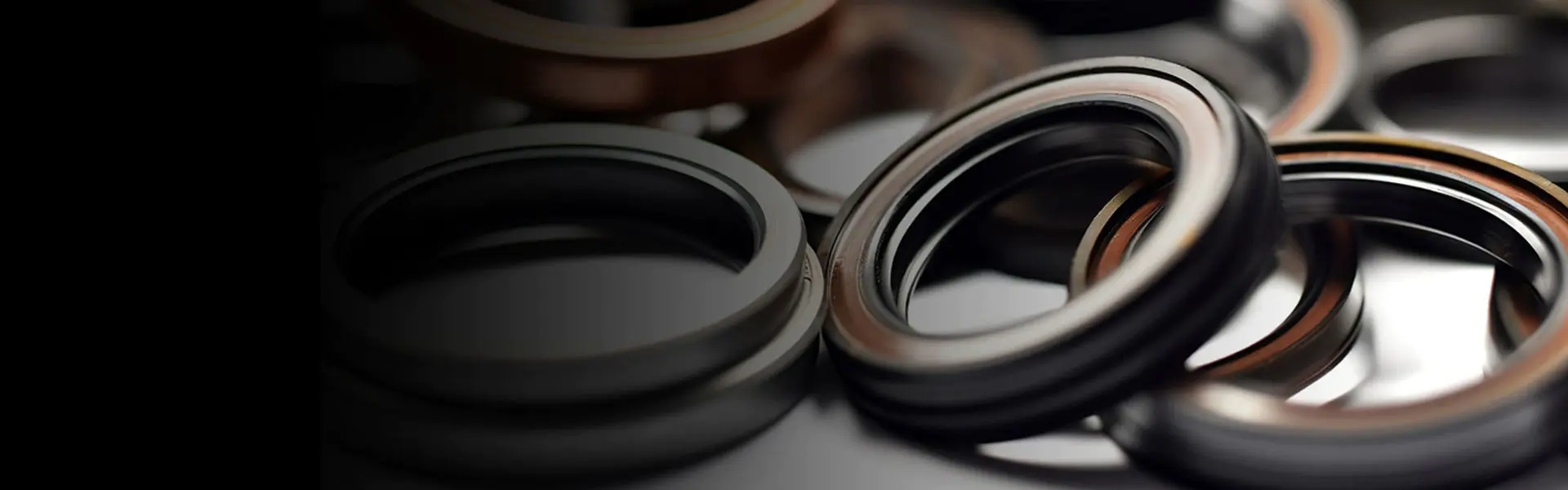
In the complex world of industrial sealing, reliability is paramount. For over two decades in the SEO and industrial sectors, I've seen how foundational components like braided packing are to operational integrity. At Kaxite, we specialize in engineering these critical sealing solutions, blending advanced materials with precision manufacturing to meet the most demanding conditions. This guide delves deep into the specifics of braided packing, its technical parameters, and why choosing a specialized brand like Kaxite makes a significant difference in performance and longevity.
Braided packing, often referred to as gland packing or mechanical packing, is a sealing material used to prevent leakage of fluids (liquids or gases) from industrial equipment where a rotating or reciprocating shaft passes through a stationary housing. This assembly is known as a stuffing box or gland. The packing material is compressed within this box, forming a tight seal around the moving shaft. The "braided" construction refers to its manufacturing process, where strands of sealing material are woven together. This braiding enhances the material's strength, flexibility, and durability, allowing it to withstand high pressures, temperatures, and mechanical stress while maintaining effective sealing.
Selecting the correct braided packing requires a detailed understanding of its parameters. Kaxite packings are meticulously specified to ensure optimal performance. Below are the key parameters presented in both list and table formats for clarity.
| Kaxite Product Series | Primary Material | Braid Style | Temp. Range (°F / °C) | pH Range | Max. Pressure (PSI) | Key Applications |
|---|---|---|---|---|---|---|
| KX-Graphite Plus | Reinforced Flexible Graphite | Interlocked Braid | -400 to 1200°F / -240 to 650°C | 0-14 | 3000 | High-temp valves, boiler feed pumps, heat exchangers |
| KX-Aramid Pro | Aramid Fiber (impregnated) | Square Braid | -100 to 500°F / -73 to 260°C | 2-12 | 2500 | General service pumps, paper stock, mild chemicals |
| KX-PTFE Ultra | 100% Virgin PTFE Filament | Round Braid | -450 to 550°F / -268 to 288°C | 0-14 | 1500 | Food & Pharma, corrosive chemicals, ultra-pure media |
| KX-Carbon Flex | Carbon Fiber with PTFE | Interlocked Braid | -100 to 600°F / -73 to 316°C | 1-13 | 2200 | Aggressive chemicals, hot oils, solvent pumps |
| KX-FlaxGuard | Flax Fiber & Graphite | Square Braid | Up to 250°F / 121°C | 4-10 | 1800 | Cold water, drinking water, general utilities |
Q: How do I select the right braided packing for my application?
A: Selection is critical and depends on four main factors: the fluid being sealed (its chemical properties), operating temperature, system pressure, and shaft speed. Always consult the chemical compatibility chart for the packing material against your process fluid. Match the packing's temperature and pressure ratings to your operating conditions. Consider shaft surface speed; a high-speed application may require a lubricated or low-friction style like our KX-PTFE Ultra. Kaxite provides detailed selection guides and technical support to assist in this process.
Q: What is the difference between square braid and interlocked braid?
A: The braid style affects the packing's density and structural integrity. Square braid is a traditional, dense weave that offers good volume and resilience, ideal for general service. Interlocked braid involves weaving the yarns in a way that "locks" them together, creating a more cohesive, less porous structure that is highly resistant to unraveling and extrusion under pressure. It's often used for high-pressure or aggressive service, such as with our KX-Graphite Plus series.
Q: How many packing rings should I install in the stuffing box?
A: The number varies but typically ranges from 3 to 6 rings for most applications. A common rule is to use a number of rings so that the total packing height is 1.5 times the diameter of the shaft or the width of the stuffing box. It's crucial not to overpack the box, as this can cause excessive heat and friction. Always refer to the equipment manufacturer's guidelines and Kaxite's installation instructions for the specific product.
Q: How do I know when to repack or adjust the gland?
A: Signs that your braided packing needs attention include a steady increase in leakage (more than a few drops per minute), excessive heat generation at the gland area, visible wear or extrusion of the packing material, or a noticeable increase in power consumption due to friction. Regular maintenance checks are recommended. Initial leakage is normal for run-in; the packing should be adjusted (gland nuts tightened evenly) until leakage is controlled to a slight weep.
Q: Can Kaxite braided packing be used in FDA or USDA-approved applications?
A: Yes, specific products like our KX-PTFE Ultra series, manufactured from 100% virgin PTFE without additives, are suitable for applications requiring compliance with FDA CFR 21 and USDA regulations for incidental food contact. It is essential to verify the specific grade's certifications and ensure it meets the exact regulatory requirements of your application.
Q: What is "break-in" and why is it important for new packing?
A: Break-in is the initial period after installation where the packing adjusts to the shaft and stuffing box surfaces. During this time, the packing fibers seat themselves, and any initial lubricants distribute evenly. Proper break-in involves running the equipment in short cycles, allowing it to cool, and gradually adjusting the gland follower to achieve the correct leakage control. A proper break-in procedure, as outlined in Kaxite documentation, is vital for maximizing packing life and performance.
Correct installation is as important as selecting the right product. Following these best practices ensures a reliable seal from your Kaxite braided packing.
While mechanical seals are excellent for many applications, braided packing remains a superior choice in numerous scenarios. Kaxite braided packing offers easier installation and maintenance, often without requiring specialized tools or complete equipment disassembly. It is more forgiving of shaft misalignment and end-play. For large-diameter shafts, packing can be significantly more cost-effective. It allows for adjustable leakage control, which can be beneficial for lubricating or cooling the shaft interface in some services. The choice ultimately depends on the specific operational, maintenance, and budgetary requirements of your plant.


