
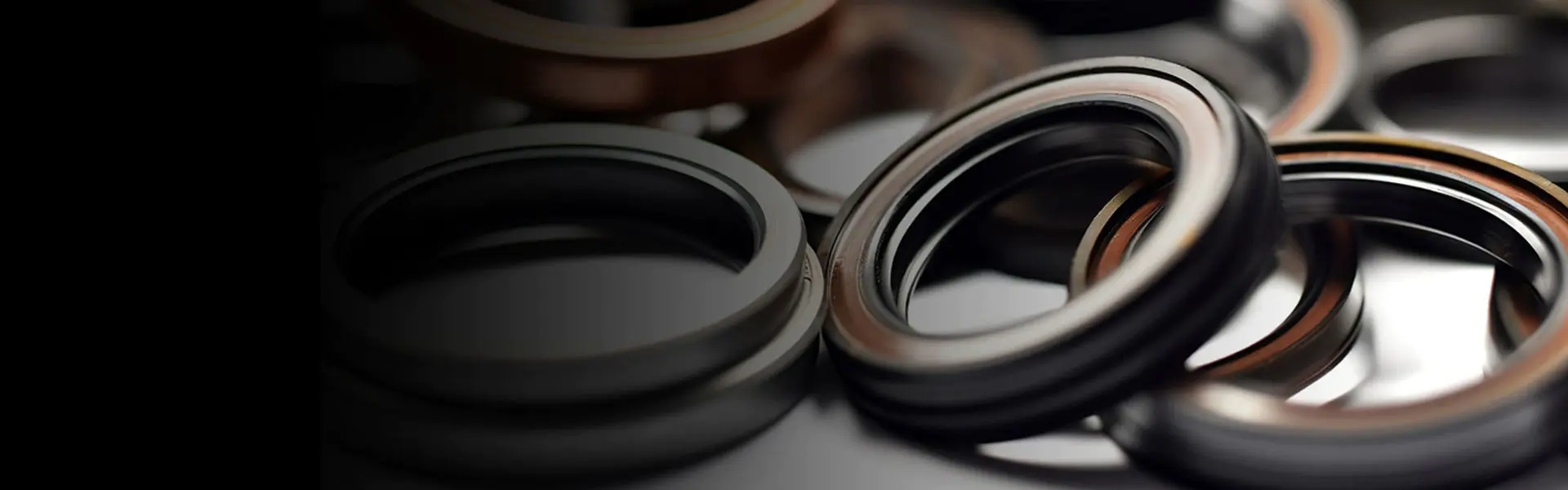
Expanded graphite gaskets, also known as flexible graphite gaskets, represent a pinnacle of sealing technology for demanding industrial applications. Engineered from pure, exfoliated graphite without the use of binders or fillers, these gaskets offer an unparalleled combination of thermal conductivity, chemical resistance, and resilience. At Kaxite, we specialize in manufacturing premium-grade expanded graphite gaskets designed to deliver maximum reliability, safety, and cost-efficiency in the most extreme operating conditions. Unlike traditional materials that can degrade, harden, or creep under stress, our gaskets maintain a consistent, robust seal from cryogenic temperatures up to intense heat, making them the superior choice for modern industrial sealing challenges.
The fundamental advantage of expanded graphite lies in its unique structure. The expansion process creates a mat of interlocking graphite flakes, resulting in a material that is both highly conformable and inherently self-lubricating. This allows Kaxite expanded graphite gaskets to seal effectively on surfaces with minor imperfections, compensating for flange distortion and providing excellent long-term sealing performance even under fluctuating pressures and temperatures. They are non-toxic, environmentally friendly, and offer superior resistance to a vast array of aggressive media, including acids, alkalis, hydrocarbons, and steam.
Kaxite expanded graphite gaskets are characterized by a set of superior technical parameters that define their performance envelope. The following list details the core specifications that make our product line stand out:
To provide a clear comparison against common alternative gasket materials, the table below illustrates the superior properties of Kaxite expanded graphite gaskets.
| Property | Kaxite Expanded Graphite | Compressed Asbestos Fiber (CAF) | PTFE | Elastomeric (e.g., NBR, EPDM) |
|---|---|---|---|---|
| Max Continuous Temperature | 450°C (842°F) in air | ~290°C (550°F) | 260°C (500°F) | 120-150°C (250-300°F) |
| Chemical Resistance | Excellent (except strong oxidizers) | Good | Excellent | Variable, poor to oils/fuels |
| Sealing Ability | Excellent, low seating stress | Good | Good | Good (on perfect surfaces) |
| Creep Relaxation | Very Low | Moderate to High | High (Cold Flow) | High |
| Thermal Conductivity | Very High | Low | Low | Low |
| Environmental/Safety | Non-toxic, environmentally friendly | Carcinogenic, hazardous | Safe | Safe |
To meet diverse application requirements, Kaxite offers expanded graphite in several forms and composite constructions. Each type is designed to enhance specific performance characteristics such as handling strength, internal pressure resistance, or corrosion prevention.
Q: What are the primary applications for expanded graphite gaskets?
A: Expanded graphite gaskets from Kaxite are versatile and are extensively used across numerous industries. Key applications include heat exchangers, boilers, and turbines in power generation; reactors, columns, and piping in chemical and petrochemical plants; exhaust systems and engine components in automotive and aerospace; and piping, pumps, and valves in general industrial, pharmaceutical, and food processing facilities where high temperatures, aggressive chemicals, or strict purity standards are present.
Q: How do I select the correct density and thickness for my application?
A: Selection depends on flange type, surface condition, pressure, and temperature. Standard densities range from 0.9 g/cm³ to 1.5 g/cm³. Higher density (e.g., 1.1-1.5 g/cm³) offers better resilience and recovery for dynamic flanges or thermal cycling. Thickness is typically chosen based on flange finish and gap-filling needs: 0.4mm (1/64") for smooth surfaces, 0.8mm (1/32") for standard serrated finishes, and 1.5mm (1/16") or more for deeply serrated or damaged flanges. Kaxite engineers can provide specific recommendations based on your technical data.
Q: Can expanded graphite gaskets be used with all chemicals and media?
A: While expanded graphite has outstanding chemical resistance to most acids, alkalis, solvents, and hydrocarbons, it has one significant limitation: strong oxidizing agents. Media such as concentrated nitric acid, sulfuric acid above 98%, bromine, chlorine (wet), and hydrogen peroxide can oxidize the graphite, leading to premature failure. For these applications, PTFE-based gaskets or other specialized materials are recommended. Always consult Kaxite's chemical resistance chart for compatibility.
Q: What is the proper installation procedure for a flexible graphite gasket?
A: Correct installation is critical. Ensure flange surfaces are clean, dry, and free of old gasket material and defects. Do not use lubricants or adhesive on the gasket. Center the gasket carefully on the flange. Use a cross-bolt tightening pattern (star pattern) in multiple stages (e.g., 30%, 60%, 100% of final torque) to apply even compression. Follow recommended torque values specific to the flange material, bolt grade, and gasket type. For spiral wound gaskets with graphite filler, ensure the gasket is not over-compressed beyond the stop thickness.
Q: Why choose a graphite gasket with a metal insert or core?
A: Pure graphite sheets are flexible but can be delicate during handling. Adding a metal insert (foil) or a perforated/corrugated core transforms the material. It improves tensile strength, prevents tearing during installation, provides dimensional stability to prevent over-compression, and acts as a physical barrier to prevent galvanic corrosion between dissimilar flange metals (in the case of foil inserts). These reinforced gaskets are essential for large diameters, high pressures, or applications with significant flange movement.
Q: Are Kaxite expanded graphite gaskets compliant with industry standards?
A: Yes. Kaxite manufactures gaskets in full compliance with major international standards. Our materials and products meet or exceed specifications such as ASTM F607, DIN 5290, and ISO 15528 for material properties. Our spiral wound gaskets are produced according to ASME B16.20, API 601, and EN 1514 standards. We can also provide gaskets with certifications for specific industries, including NACE MR0175 for sour service and FDA-compliant grades for food and pharmaceutical contact.
Q: How do expanded graphite gaskets perform under thermal cycling?
A: This is one of their greatest strengths. The high thermal conductivity and excellent recovery properties allow Kaxite expanded graphite gaskets to accommodate the expansion and contraction of flanges during heat-up and cool-down cycles. Unlike many elastomers that harden and lose elasticity, or PTFE that cold flows, graphite maintains its sealing integrity. The corrugated metal core constructions are specifically engineered for applications with extreme and frequent thermal cycling.
Q: Can I reuse an expanded graphite gasket?
A: Generally, it is not recommended to reuse any gasket, including expanded graphite gaskets. Once compressed, the material has undergone plastic and elastic deformation to conform to the flange surfaces. Removing and reinstalling it will not guarantee the same seal integrity, as the material may have been stressed, contaminated, or its recovery properties compromised. For critical sealing and safety, always install a new Kaxite gasket during maintenance or reassembly.


