
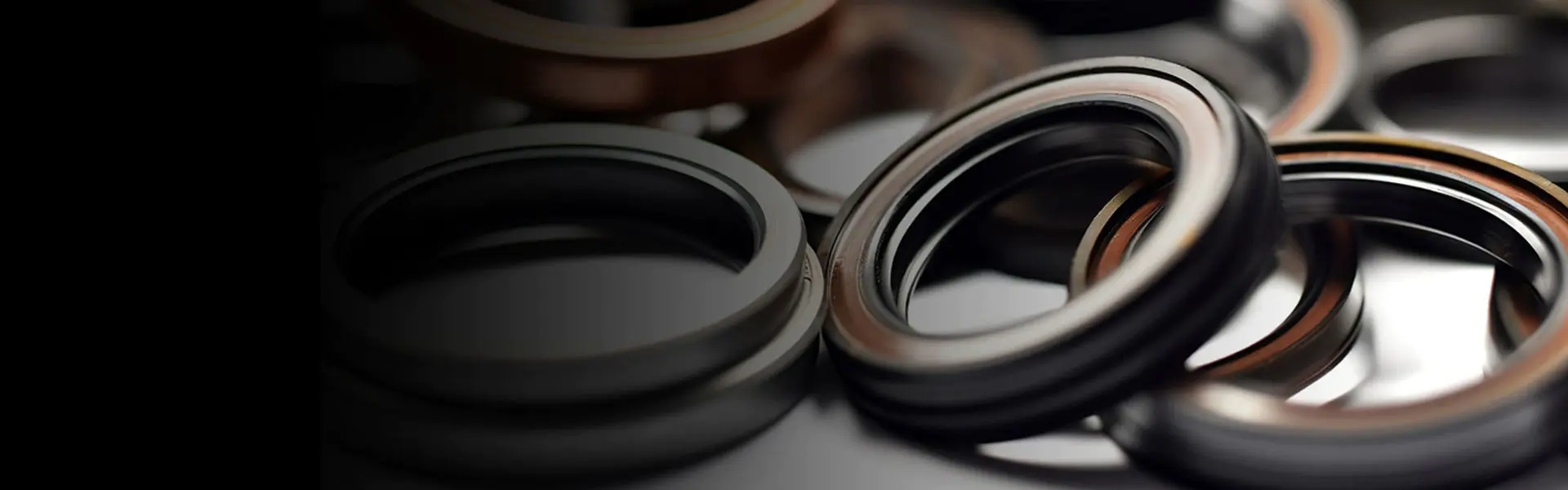
In the demanding world of high-pressure, high-temperature industrial applications, the integrity of every connection is paramount. A single point of failure can lead to catastrophic consequences, including safety hazards, environmental damage, and significant production losses. This is where the precision and reliability of Ring Joint Gaskets (RJGs) become non-negotiable. As a cornerstone of safe operations in sectors like oil & gas, petrochemical, and power generation, the correct selection and application of an RJG are critical. At Kaxite, with decades of specialized engineering, we manufacture Ring Joint Gaskets that set the benchmark for performance, durability, and absolute sealing security under the most extreme conditions.
Unlike conventional gaskets that rely on compressive loading across a wide surface, a Ring Joint Gasket is a metallic sealing ring designed to fit into a machined groove in flanges (the ring groove). When the flanges are bolted together, the ring is compressed radially, creating a highly localized, massive contact stress between the ring's convex surfaces and the angled walls of the groove. This metal-to-metal contact creates a pressure-energized seal that becomes tighter as internal system pressure increases. This fundamental principle makes RJGs the preferred choice for critical service applications.
Kaxite's manufacturing philosophy is rooted in precision, material excellence, and rigorous quality control. We understand that an RJG is not just a component; it is a vital safety device. Our gaskets are produced to exacting international standards, ensuring perfect compatibility with all standard flange designs and providing a leak-free seal from initial startup through years of service.
Our product range is comprehensive, designed to meet global specifications. Key parameters include:
The choice of material is dictated by the operating environment, including pressure, temperature, and fluid corrosivity. Kaxite offers a full spectrum of materials.
| Material Grade | Common Designation | Key Properties | Typical Application Range |
|---|---|---|---|
| Soft Iron | ASTM A182 F6 / F70 | Excellent ductility, good for low corrosion service. | General refinery service, low-pressure hydrocarbon systems. |
| Low Carbon Steel | ASTM A105 | Good strength and moderate corrosion resistance. | General petrochemical, water, and steam lines. |
| 304 Stainless Steel | ASTM A182 F304 | Excellent general corrosion resistance, good high-temperature strength. | Chemical processing, food & beverage, high-temperature steam. |
| 316 Stainless Steel | ASTM A182 F316 | Superior corrosion resistance, especially to chlorides and acids. | Marine environments, aggressive chemical media, pulp & paper. |
| Alloy 20 | ASTM B473 UNS N08020 | Outstanding resistance to sulfuric acid and other aggressive chemicals. | Sulfuric acid plants, chemical reactors. |
| Inconel 600/625 | ASTM B166 / B564 | Exceptional high-temperature strength and oxidation resistance. | High-temperature heat exchangers, furnace components, aerospace. |
| Monel 400 | ASTM B164 | Excellent resistance to seawater and hydrofluoric acid. | Offshore platforms, seawater cooling systems, HF alkylation units. |
Kaxite technicians can advise on the optimal material selection for your specific application to ensure longevity and safety.
Q: What is the fundamental difference between an R-style and an RX-style Ring Joint Gasket?
A: The primary difference lies in their design and sealing action. An R-style gasket (oval or octagonal) relies entirely on the flange bolting force to create initial radial compression and seal. An RX-style gasket has a modified geometry that allows it to be slightly "pressure-energized" from within; internal system pressure acts upon the gasket's shape to enhance the sealing force. This makes RX gaskets suitable for even higher-pressure applications and can provide better performance in systems with potential pressure fluctuations or vibration. It is crucial to note that R and RX gaskets and their corresponding grooves are not interchangeable.
Q: Can a Ring Joint Gasket be reused after it has been installed and compressed?
A: Generally, it is not recommended to reuse a metallic Ring Joint Gasket. During the initial bolting, the gasket undergoes plastic deformation as it conforms to the microscopic imperfections of the ring groove, creating a unique sealing profile. Removing and reinstalling the same gasket will not recreate this exact fit, significantly increasing the risk of a leak. For critical service, Kaxite always advises using a new, unused gasket for each flange makeup to guarantee seal integrity.
Q: How do I identify the correct Ring Joint Gasket size and style for my flange?
A: Identification is based on the flange specification. You need to know:
1. The Flange Standard (e.g., ASME B16.5, API 6A).
2. The Nominal Pipe Size (NPS) and Pressure Class (e.g., 10" Class 900).
3. The Ring Number (R or RX designation, e.g., R45, RX-68). This number is typically stamped on the flange face near the groove or can be found in the flange's specification datasheet.
Using this information, you can reference standard tables (like those in ASME B16.20) or consult with Kaxite to get the precise gasket with the correct "P" and "F" dimensions for a perfect fit.
Q: What are the consequences of installing a Ring Joint Gasket incorrectly?
A: Incorrect installation is a leading cause of failure. Consequences include:
- Immediate Leakage: Improper alignment or damage during installation can prevent initial sealing.
- Gasket Blow-Out: Severe leakage or ejection of the gasket under pressure, creating a major safety risk.
- Flange Damage: Using an incorrect gasket (wrong size, style, or material) can score or permanently damage the expensive machined ring groove, necessitating flange replacement.
- System Downtime: Any leak requires system depressurization, disassembly, and repair, leading to costly production interruptions.
Proper installation training and following precise bolting procedures are essential.
Q: Why is material selection so critical for a Ring Joint Gasket, and how does Kaxite assist?
A: The gasket material must withstand the full chemical and thermal environment of the process fluid without corroding, cracking, or losing its sealing force. A mismatch can lead to rapid degradation and failure. Kaxite assists by providing not just a wide material inventory but also expert metallurgical guidance. Our team can analyze your service conditions—including fluid composition, concentration, temperature, and pressure—to recommend the most cost-effective and reliable material grade, ensuring the gasket's service life aligns with your maintenance schedules and safety goals.
Q: For a first-time installation, what are the key steps for ensuring a proper seal with a Kaxite RJG?
A: Follow this checklist:
1. Verification: Confirm the gasket material, style (R/RX), and ring number match the flange specifications.
2. Inspection: Visually inspect both the new Kaxite gasket and the flange ring grooves for any dirt, burrs, pitting, or old gasket material. Clean thoroughly.
3. Lubrication: Apply a thin, even film of high-temperature anti-seize lubricant to the gasket's sealing surfaces. This aids installation and prevents galling.
4. Placement: Carefully place the gasket into the lower flange's groove, ensuring it sits evenly without forcing.
5. Alignment: Align the flange faces and insert all bolts hand-tight.
6. Bolting: Use a calibrated torque wrench and follow a cross-pattern bolting sequence in multiple passes (e.g., 30%, 60%, 100% of final torque) to apply even, consistent load as per the flange manufacturer's or engineering specification. Never use impact wrenches for the final tightening.
The robustness of the Ring Joint Gasket design makes it indispensable across heavy industry. Kaxite gaskets are trusted in:
Choosing Kaxite means partnering with a specialist. Our value extends beyond supplying a precision-machined ring. We offer technical support for material selection and installation best practices, complete traceability for all our materials, and certifications (including Mill Test Reports) to meet the strictest quality assurance protocols. In an arena where failure is not an option, specify Kaxite Ring Joint Gaskets—the seal of engineering confidence.


