
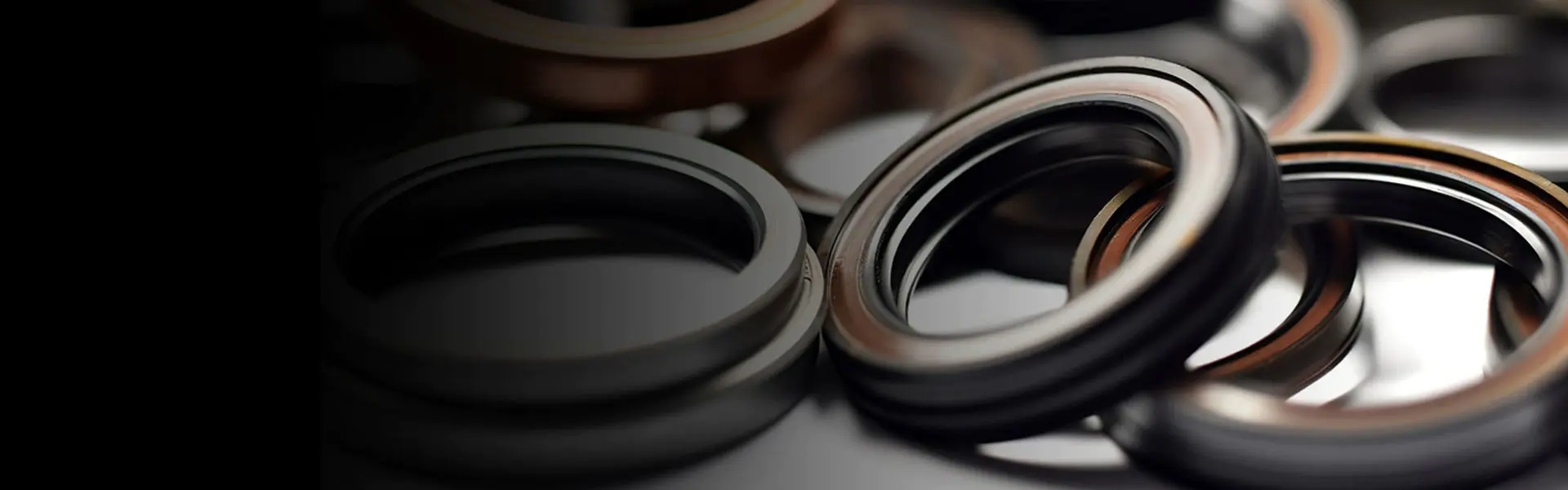
In industrial sealing applications requiring exceptional resistance to extreme temperatures, pressure, and aggressive media, professionals have long relied on specialized materials. Asbestos Gaskets represent a classic solution in this domain. At Kaxite, we combine decades of material science expertise with modern manufacturing precision to deliver gaskets that meet rigorous performance demands. It is crucial to note that these products are engineered and recommended strictly for use in controlled industrial environments where their specific properties are necessary, and where all relevant safety regulations for handling and installation are meticulously followed.
Our Kaxite asbestos gaskets are manufactured using high-grade chrysotile asbestos fibers, reinforced with premium binding agents and often combined with other materials like rubber or graphite to enhance specific characteristics. This results in a composite material offering a unique set of properties ideal for challenging sealing scenarios.
The performance of a gasket is defined by its technical parameters. Below is a detailed breakdown of the standard specifications for Kaxite's standard line of compressed asbestos sheet gaskets. These parameters ensure reliable sealing performance under designated conditions.
| Parameter | Standard Value | Test Method / Notes |
|---|---|---|
| Temperature Range | -100°F to +750°F (-73°C to +399°C) | Short-term peaks up to 900°F (482°C) possible with specific grades. |
| Maximum Pressure (PSI) | Up to 2,500 PSI | Depends on thickness, flange design, and application. |
| Density | 1.75 - 2.0 g/cm³ | ASTM F1315 |
| Tensile Strength | ≥ 3,500 PSI (Machine Direction) | ASTM F152 |
| Compression / Recovery | ≥ 40% Recovery | ASTM F36; Excellent sealing under bolt load. |
| pH Range Resistance | 2 - 12 | Resistant to most acids, alkalis, steam, and hydrocarbons. |
| Thickness Tolerance | ± 0.005 inch (± 0.127 mm) | For standard sheet goods. |
| Standard Sheet Size | 60" x 60" (1524 mm x 1524 mm) | Other sizes available upon request. |
Q: What are the primary advantages of using asbestos gaskets over modern non-asbestos alternatives?
A: Asbestos gaskets offer a combination of high-temperature resilience, excellent chemical resistance to a very broad range of media (including strong acids, alkalis, and solvents), and superior mechanical strength that can be challenging to replicate fully with some non-asbestos materials. They exhibit exceptional sealability on less-than-perfect flange surfaces and maintain their integrity under thermal cycling, making them a persistent choice for specific legacy systems and extreme-condition applications in industries like chemical processing, refining, and power generation where performance under duress is critical.
Q: Are asbestos gaskets legal and safe to use?
A: The legality of using asbestos gaskets varies significantly by country and region, governed by strict health and safety regulations (e.g., OSHA in the USA, REACH in the EU). Their use is typically heavily restricted or banned in new installations in many countries due to the health risks associated with airborne asbestos fibers if the material is disturbed, cut, or sanded. However, regulated use may be permitted in certain contained industrial settings, maintenance of existing equipment, or specific high-temperature applications where suitable alternatives are not viable. It is the absolute responsibility of the end-user to comply with all local, national, and international laws regarding the purchase, handling, installation, and disposal of asbestos-containing materials. Kaxite supplies these products with explicit guidelines for controlled professional use only.
Q: How should Kaxite asbestos gaskets be stored and handled?
A: Store sheets or cut gaskets in a cool, dry, flat place away from direct sunlight and ozone sources. They should be kept in their original packaging until use to prevent contamination and accidental abrasion. During handling, cutting, and installation, personnel must adhere to applicable safety protocols. This typically means using appropriate personal protective equipment (PPE) such as disposable gloves and approved respirators if dry cutting or generating dust. Wet cutting methods or pre-cut/pre-formed gaskets from Kaxite are strongly recommended to minimize fiber release. Never use power tools without proper dust capture systems.
Q: Can you custom-cut asbestos gaskets to specific shapes and sizes?
A: Yes, a core service at Kaxite is providing custom die-cut gaskets. We can produce precise gaskets from your provided drawings, CAD files, or physical templates. This service offers significant advantages: it ensures a perfect fit, drastically reduces on-site waste and installation time, and most importantly, minimizes the need for on-site cutting, thereby enhancing safety by reducing potential fiber exposure. We work with a wide range of sizes and complexities, from simple O-rings to complex multi-port manifold gaskets.
Q: What is the proper installation procedure for a compressed asbestos gasket?
A: Proper installation is key to performance and safety. First, ensure the flange faces are clean, dry, and undamaged. The gasket must be installed dry—do not use adhesive sealants unless specified for a unique application. Center the gasket carefully on the flange. Insert all bolts and hand-tighten evenly in a crisscross pattern. Finally, torque the bolts to the manufacturer's specified values in multiple stages using the crisscross pattern to ensure even compression and avoid distorting the flange. Always refer to the specific equipment manual and Kaxite's provided technical data sheet for the recommended bolt load.
Q: How do I identify if I need an asbestos gasket or if a non-asbestos alternative would suffice?
A: The decision should be based on a thorough review of the application's operating conditions. Consider an asbestos gasket if the application involves sustained temperatures above 500°F (260°C), exposure to aggressive chemical mixtures, or existing specifications for legacy equipment designed for asbestos materials. For most standard applications involving hot water, saturated steam, fuels, and moderate chemicals, high-quality non-asbestos alternatives from Kaxite (like aramid fiber, graphite, or PTFE-based gaskets) often provide excellent, safer performance. We strongly recommend consulting with a Kaxite engineering specialist to review your specific service conditions, regulatory environment, and performance requirements to determine the most appropriate and compliant sealing solution.
Q: What are the proper disposal methods for used or leftover asbestos gasket material?
A: Disposal is a critical and regulated step. Used or scrap asbestos gasket material must NEVER be disposed of with regular industrial waste. It is classified as hazardous waste in most jurisdictions. The material must be kept wet, placed in leak-tight, clearly labeled containers (usually double-bagged in approved 6-mil polyethylene bags with hazard labels), and disposed of at a licensed hazardous waste facility in accordance with all local, state, and federal regulations. Contractors and plant operators are responsible for understanding and following these disposal laws. Kaxite can provide general guidance on material classification, but disposal compliance is the user's legal obligation.


