
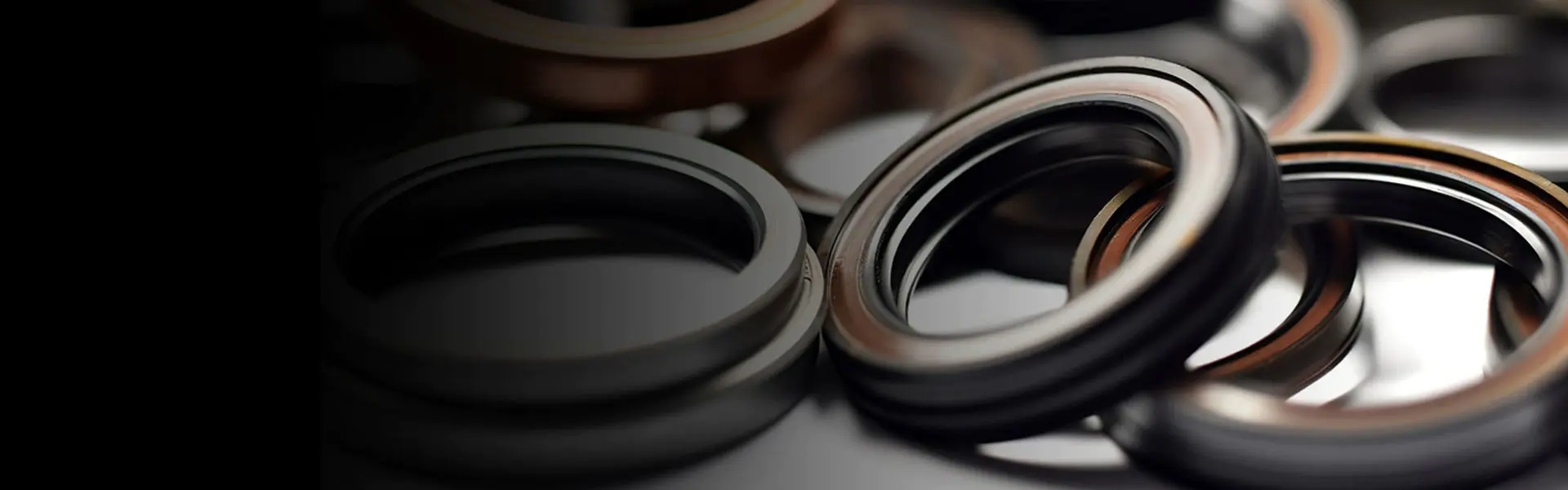
In industrial maintenance, pipeline systems, and automotive repair, the integrity of a seal is paramount. A failed gasket can lead to costly downtime, safety hazards, and significant product loss. This is where professional-grade Gasket Tools transition from being simple implements to critical investments in operational reliability and efficiency. A precise cut, a clean removal, or a flawless installation directly correlates to the longevity and performance of the entire assembly. For over two decades, Kaxite has been at the forefront of this precision, engineering tools that meet the exacting demands of field technicians and plant engineers worldwide.
Kaxite's philosophy centers on marrying durable materials with intelligent design. We understand that a tool must not only perform its primary function but also withstand the rigors of daily use in challenging environments. From chemical plants to engine blocks, our tools provide the consistent, reliable performance that professionals depend on. This guide delves into the technical specifications, applications, and best practices surrounding modern gasket tools, highlighting why the right equipment makes all the difference.
Kaxite's catalog is structured to address every stage of gasket work: removal, preparation, cutting, and installation. Below is a breakdown of our primary tool categories with their key parameters.
Designed for creating custom-sized gaskets from sheet material (rubber, cork, fiber, PTFE) onsite, eliminating downtime waiting for pre-cut parts.
Safe removal is critical to prevent scoring or damaging the sealing surface. The wrong tool can cost thousands in flange or engine head repair.
| Tool Type | Primary Material | Blade Hardness (HRC) | Handle Type | Ideal For | Kaxite Safety Feature |
|---|---|---|---|---|---|
| Scraper Blades (Rigid) | Tungsten Carbide Tip | ≥ 90 HRC | Non-slip Rubber Grip | Hard, baked-on gaskets (e.g., cylinder heads) | Guarded blade edges to protect fingers and flange surfaces. |
| Plastic Scrapers & Picks | Industrial-Grade Nylon | N/A | Ergonomic Contoured | Soft gaskets, delicate aluminum surfaces, plastic components | Non-sparking and non-conductive material for hazardous environments. |
| Oscillating Multi-Tool Blades | Bimetal (High-Speed Steel) | 62-64 HRC | Universal Tool Attachment | Removing gaskets in tight, awkward spaces | Precision ground teeth designed to scrape without cutting into base metal. |
Q: What is the main advantage of using a dedicated gasket cutter over a utility knife or scissors?
A: Precision and consistency. A utility knife relies entirely on hand steadiness, leading to uneven edges, imperfect circles, and beveled cuts that compromise the seal. Dedicated cutters like the Kaxite Adjustable Circle Cutter provide a fixed pivot point and guided blade, ensuring a perfectly perpendicular, clean cut every time. This results in uniform compression and eliminates leak paths caused by irregular gasket edges.
Q: How do I choose the right gasket removal tool to avoid damaging my engine block or pipe flange?
A: The choice hinges on the gasket material and the substrate (base metal) hardness. Follow this rule: Use a tool softer than the substrate to prevent scoring. For instance, on a fragile aluminum surface, always start with a Kaxite nylon scraper. For stubborn, hardened gaskets on cast iron, a carbide scraper is appropriate but must be used with the blade held at a low angle. Our color-coded tool handles (red for hard scrapers, blue for soft) provide an instant visual guide to prevent misuse.
Q: Can Kaxite hole punch sets be used with hydraulic drivers, and are the dies replaceable?
A: Yes, all Kaxite professional-grade punch sets are engineered to be compatible with both manual impact drivers and standard hydraulic/pneumatic systems. The dies and punches are manufactured as matched, replaceable sets. Using a worn punch with a new die (or vice versa) will result in a poor cut. We always recommend replacing both as a set, which Kaxite supplies in convenient, individual size kits to minimize inventory cost.
Q: Why is surface preparation after gasket removal so critical, and what RA value should I aim for?
A: A gasket seals by flowing into the micro-imperfections of the flange surface. If old gasket material or deep scratches remain, it creates channels for leaks. The goal is a uniform, textured finish. For most industrial rubber or composite gaskets, a surface roughness (RA) between 125 and 250 microinches (3.2 and 6.3 µm) is ideal. Kaxite's surface conditioning discs in 80-grit are specifically designed to achieve this range efficiently without the risk of creating deep, directional scratches common with sandpaper or grinding discs.
Q: Are Kaxite tools compliant with industry safety standards for use in explosive or corrosive atmospheres?
A: Safety is integral to our design. Our full line of non-sparking tools (plastic scrapers, brass hammers, etc.) is manufactured from certified materials (e.g., CuBe alloys, specific nylons) that meet or exceed standards like ATEX directive 2014/34/EU for use in potentially explosive atmospheres. Furthermore, all metal tools undergo passivation or coating processes to resist corrosion from chemicals and moisture, ensuring longevity and safe operation in refineries, chemical plants, and marine applications.
The effectiveness of a gasket tool is rooted in its material composition and heat treatment. Kaxite invests heavily in metallurgy to ensure our tools outperform and outlast.
| Industry | Common Gasket Type | Primary Challenge | Recommended Kaxite Tool Solution |
|---|---|---|---|
| Automotive Repair | Composite Head Gaskets, Rubber Valve Cover Gaskets | Removing fragile, multi-layer gaskets from aluminum heads without gouging; cutting exact-fit replacements. | Nylon Scraper & Pick Set, Adjustable Circle Cutter (small range), Hole Punch Kit for bolt holes. |
| Oil & Gas / Pipeline | Spiral Wound, RTJ (Ring Type Joint), Graphite Gaskets | Dealing with high-pressure seals, often in confined, offshore, or corrosive environments. | Non-sparking Brass Scrapers, Heavy-Duty Carbide Scrapers, Surface Conditioning Discs, Full-range Hole Punch Set. |
| Food & Beverage / Pharmaceutical | PTFE, Silicone, FDA-approved Elastomers | Maintaining ultra-clean, sanitary surfaces; preventing contamination; non-toxic tool materials. | Color-coded Plastic Tools (to prevent cross-contamination), Dedicated Sanitary Gasket Cutters with easy-clean surfaces. |
| General Industrial Maintenance | Compressed Asbestos Fiber (CAF), Rubber, Cork | Versatility for unpredictable gasket materials on pumps, valves, and heat exchangers. | Master Gasket Tool Kit (including assorted scrapers, cutter, punch set, and surface prep disc). |


