
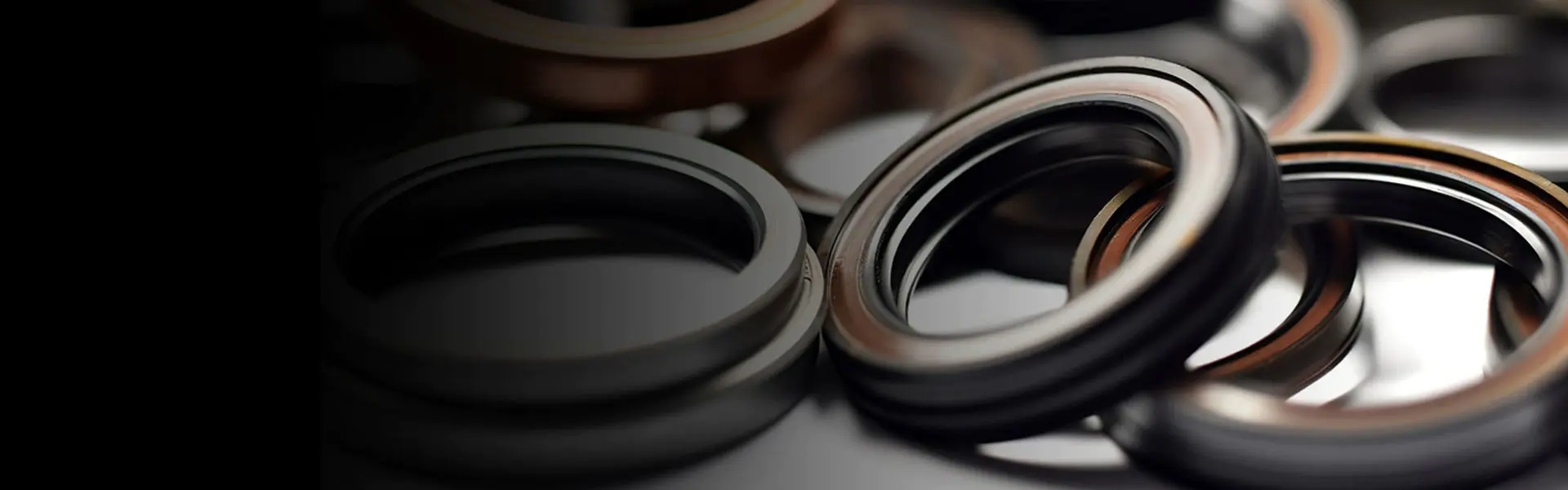
In the demanding world of industrial fluid containment and sealing, reliability and durability are non-negotiable. Synthetic fiber packing, a critical component across countless applications, serves as the frontline defense against leaks, emissions, and efficiency losses in pumps, valves, mixers, and agitators. Unlike traditional materials like asbestos or flax, modern synthetic packings are engineered from advanced man-made fibers, offering superior performance, longer service life, and enhanced safety in handling hazardous or extreme-process fluids.
At Kaxite, we have dedicated decades to perfecting the science of sealing. Our synthetic fiber packing solutions are not just products; they are precision-engineered systems designed to meet the specific challenges of your operation. We understand that downtime is costly, and a failed seal can lead to significant production losses, environmental concerns, and safety risks. That's why every strand of fiber in Kaxite packing is selected and treated to deliver unwavering consistency and performance under pressure, temperature, and chemical stress.
Choosing the right packing material is a strategic decision. Kaxite synthetic fiber packing provides a compelling array of benefits that translate directly to operational excellence and cost savings.
To make an informed selection, it is essential to understand the technical parameters that define packing performance. Below is a detailed breakdown of the core specifications for Kaxite synthetic fiber packing. These parameters guide our engineers in recommending the perfect seal for your application.
| Material Base | Common Impregnations/Lubricants | Continuous Temperature Range | pH Range | Primary Media Compatibility |
|---|---|---|---|---|
| Aramid Fiber (e.g., Kevlar*) | PTFE, Graphite, Silicone | -100°F to 500°F (-73°C to 260°C) | 2 - 12 | Hot oils, steam, chemicals, hydrocarbons |
| Carbon Fiber | PTFE, Graphite | -100°F to 600°F (-73°C to 316°C) | 0 - 14 | Strong acids/alkalis, solvents, high-temperature water |
| PTFE (Polytetrafluoroethylene) Fiber | PTFE, Food-Grade Lubricants | -450°F to 500°F (-268°C to 260°C) | 0 - 14 | Extreme chemicals, food & beverage, pharmaceuticals, ultrapure water |
| Acrylic Fiber | PTFE, Oil | -40°F to 250°F (-40°C to 121°C) | 4 - 10 | Cooling water, mild chemicals, fuels, oils |
| Fiberglass | PTFE, Graphite | -100°F to 1000°F (-73°C to 538°C) | 2 - 12 | Hot gases, molten metals, superheated steam (with specific grades) |
| Parameter | Typical Value / Range | Test Standard / Notes |
|---|---|---|
| Density | 70 - 110 lbs/ft³ (1.12 - 1.76 g/cm³) | Varies by style and braid configuration. |
| Tensile Strength | High (Material Dependent) | Resists breaking during installation and operation. |
| Compression Recovery | Excellent to Good | Ability to return to original shape after compression, crucial for maintaining seal. |
| Thermal Conductivity | Low to Moderate | Graphite-impregnated grades offer higher conductivity for heat dissipation. |
| Shaft Speed Limit | Up to 25 ft/sec (7.6 m/sec) for rotary applications | Dependent on lubrication and packing style. Kaxite provides specific guidance. |
| Pressure Rating | Up to 2000+ psi (138+ bar) for static seals | For dynamic seals (pump shafts), consult Kaxite engineering charts for specific pressure/speed limits. |
| Available Styles | Braided (Square, Round, Plaited), Die-Formed Rings, Twist | Style affects sealing characteristics, installation ease, and suitability for equipment type. |
| Standard Sizes | Spools: 1/8" to 1" (3mm to 25mm) diameter. Coils & Rings: Custom sizes available. | Kaxite can manufacture any non-standard size to meet exact equipment requirements. |
Q: How do I select the right Kaxite synthetic fiber packing for my application?
A: Selection requires evaluating four key factors: 1) Process Media: Identify all chemicals, their concentration, and temperature. 2) Equipment & Operating Conditions: Determine the equipment type (centrifugal pump, mixer, valve), shaft speed, pressure, and temperature. 3) Regulatory Requirements: Consider needs for FDA, USDA, or other industry-specific compliance. 4) Service Priority: Is the goal maximum leak-free life, minimal shaft wear, or frequent maintenance accessibility? Our technical team uses this data to match you with the optimal Kaxite grade.
Q: What is the proper procedure for installing synthetic fiber packing?
A: Correct installation is critical for performance. Always: 1) Clean the stuffing box and shaft/sleeve thoroughly. 2) Use rings cut precisely on a mandrel or the shaft itself – never cut freehand. Cuts should be clean and at a 45-degree angle. 3) Stagger the ring joints by 90 degrees (or more) around the shaft. 4) Use a proper tamping tool to seat each ring firmly but avoid over-compressing brittle fibers. 5) Follow the manufacturer's recommended gland nut torque and allow a initial run-in period with slight leakage, then gradually tighten until the leak is controlled to a few drops per minute.
Q: Can synthetic fiber packing be used for both rotary and reciprocating pump shafts?
A: Yes, but the specific style and construction are crucial. For high-speed rotary service (centrifugal pumps), a braided style with internal lubricants like PTFE or graphite is preferred for its flexibility, heat dissipation, and wear resistance. For slower-speed reciprocating service (plunger pumps, rams), a denser, more robust braid or die-formed ring that resists extrusion and maintains its form under back-and-forth motion is required. Kaxite offers distinct product lines optimized for each type of motion.
Q: How does Kaxite packing compare to mechanical seals?
A: Both are effective sealing solutions with different profiles. Packing is often more cost-effective initially, is highly adaptable to worn equipment, allows for easy adjustment and maintenance, and can handle abrasive slurries better in some cases. Mechanical seals typically offer longer-term, near-zero leakage on clear liquids but have higher upfront costs and require more precise installation. For many applications, especially those with shaft runout or where slight leakage is permissible, Kaxite high-performance synthetic packing provides an optimal balance of reliability, cost, and simplicity.
Q: What are the signs that my synthetic fiber packing needs to be replaced?
A: Monitor for these indicators: 1) Excessive Leakage: An increase in leakage that cannot be controlled by normal gland adjustment. 2) Overheating: The stuffing box is too hot to touch, indicating excessive friction. 3) Increased Power Consumption: The pump or motor is drawing more amps due to packing drag. 4) Visible Packing Degradation: During inspection, the packing appears hardened, brittle, charred, or excessively worn. 5) Shaft Damage: Scoring or wear on the shaft/sleeve under the packing area. Proactive replacement based on maintenance schedules is often more economical than waiting for failure.
Q: Does Kaxite offer packing that is suitable for food, beverage, or pharmaceutical processing?
A: Absolutely. Kaxite manufactures a range of FDA-compliant and USDA-accepted packing grades, typically white PTFE-based or specially treated synthetic fiber packings. These are manufactured in clean facilities, are non-toxic, non-contaminating, and resistant to cleaning-in-place (CIP) chemicals and steam. They are ideal for applications requiring the highest standards of purity and safety.


