
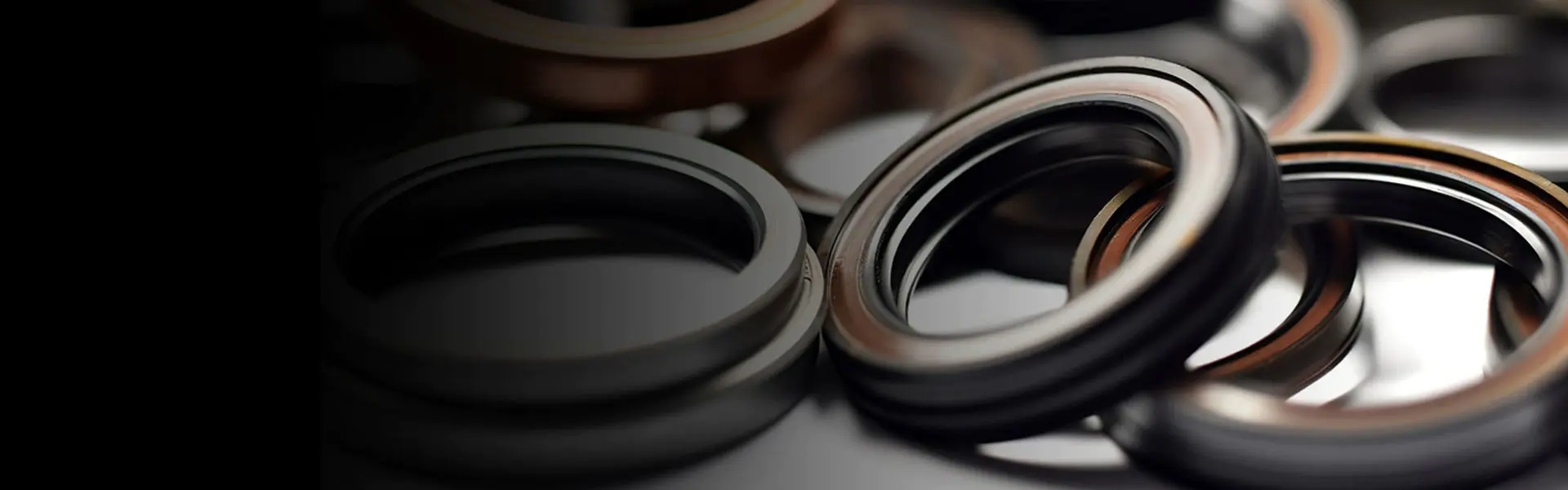
A Rubber Sheet is a versatile, durable, and flexible material manufactured from various elastomers to provide sealing, cushioning, insulation, and protection. These sheets are engineered to meet precise industrial specifications, offering resistance to factors like compression, weathering, chemicals, and temperature extremes. From gaskets in automotive engines to liners in chemical processing plants and anti-vibration pads in machinery, the application of rubber sheets is vast and critical. At Kaxite, we specialize in producing high-performance rubber sheets tailored to your specific operational demands, ensuring reliability, longevity, and optimal performance in even the most challenging environments.
Selecting the correct rubber sheet requires careful consideration of its technical parameters. Below are the detailed specifications for Kaxite's primary rubber sheet types.
| Material Type (ASTM Standard) | Key Properties | Typical Hardness (Shore A) | Temperature Range | Primary Applications |
|---|---|---|---|---|
| Natural Rubber (NR) | High tensile strength, excellent elasticity, good abrasion resistance. | 30 - 90 | -50°C to 70°C (-58°F to 158°F) | General-purpose gaskets, bumpers, pads, vibration dampeners. |
| Nitrile Rubber (NBR) | Excellent resistance to oils, fuels, and hydrocarbons. Good compression set. | 40 - 90 | -40°C to 120°C (-40°F to 248°F) | Fuel & oil hose linings, gaskets in automotive & machinery, oil seals. |
| EPDM Rubber | Superior weather, ozone, steam, and water resistance. Good electrical insulation. | 30 - 90 | -50°C to 150°C (-58°F to 302°F) | Outdoor seals, roofing membranes, automotive cooling systems, HVAC gaskets. |
| Neoprene (CR) | Good all-purpose resistance to weather, ozone, moderate oils, and flame. | 40 - 90 | -40°C to 100°C (-40°F to 212°F) | Weather stripping, marine applications, gaskets, coated fabrics. |
| Silicone Rubber (VMQ) | Extreme high & low-temperature stability, inert, excellent flexibility. | 20 - 80 | -60°C to 230°C (-76°F to 446°F) | Food & medical grade seals, high-temp gaskets, insulation, flexible molds. |
| Viton®/FKM | Exceptional resistance to high temperatures, fuels, oils, and aggressive chemicals. | 60 - 90 | -20°C to 200°C (-4°F to 392°F) | Aerospace, chemical processing, and high-performance automotive seals. |
| Property | Test Method (ASTM) | Typical Value Range |
|---|---|---|
| Hardness (Shore A) | D2240 | 30 ±5 to 90 ±5 (Customizable) |
| Tensile Strength | D412 | 10 - 25 MPa (1450 - 3625 psi) |
| Elongation at Break | D412 | 200% - 600% |
| Specific Gravity | D792 | 1.10 - 1.80 g/cm³ (Material Dependent) |
| Compression Set (22 hrs @ 70°C) | D395 Method B | 10% - 35% (Material Dependent) |
| Tear Strength | D624 Die C | 20 - 60 kN/m |
| Format | Standard Width | Standard Length (Rolls) | Available Thickness |
|---|---|---|---|
| Rolls | 1.0m, 1.2m, 1.5m | 5m, 10m, 20m, 50m (Custom lengths available) | 0.5mm to 6mm |
| Sheets (Cut) | Up to 1.5m | Up to 3m | 1mm to 50mm |
Q: How do I choose the right type of rubber sheet for my application?
A: Selecting the correct type depends on your application's specific environmental and operational requirements. Consider these factors in order: 1) Chemical Exposure: Identify all fluids (oils, acids, solvents) the sheet will contact. Nitrile is best for oils, EPDM for water and steam, FKM for aggressive chemicals. 2) Temperature Range: Determine the minimum and maximum continuous operating temperatures. Silicone excels in extreme ranges. 3) Physical Demands: Assess needs for hardness, tensile strength, abrasion resistance, and compression set. 4) Regulatory/Special Needs: Consider requirements for food contact (FDA), potable water (WRAS), flame resistance, or electrical insulation. Kaxite's technical team can provide detailed guidance based on your parameters.
Q: What is the difference between a solid rubber sheet and a sponge/foam rubber sheet?
A: Solid rubber sheets are dense, non-porous materials designed primarily for sealing, gasketing, and abrasion protection where fluid/gas impermeability is key. Sponge or foam rubber sheets contain a cellular structure (open or closed cell), providing excellent compressibility, lightweight properties, and superior thermal/acoustic insulation. They are used for padding, cushioning, and low-pressure sealing. Kaxite manufactures both solid and sponge rubber sheets in various compounds to suit diverse application needs.
Q: What does "compression set" mean, and why is it important?
A: Compression set is a measurement of a rubber material's ability to return to its original thickness after being subjected to a compressive force for a prolonged period at a specified temperature. A low percentage indicates good recovery (e.g., 20%), meaning the seal remains effective. A high percentage (e.g., 50%) indicates the material has permanently deformed and may leak. It is a critical property for gaskets, O-rings, and seals that must maintain constant pressure. Kaxite formulates its sheets for optimal compression set resistance for long-term sealing integrity.
Q: How long will a Kaxite rubber sheet last in outdoor conditions?
A: The service life outdoors depends heavily on the material choice and specific environmental factors like UV exposure, ozone levels, and temperature cycling. Standard materials like natural rubber may degrade faster. Kaxite's EPDM sheets are specifically engineered for outstanding outdoor durability, with excellent resistance to UV radiation, ozone, and weathering, often lasting 15-20 years or more in applications like roofing seals. We recommend EPDM, certain Silicone blends, or specially compounded materials for long-term outdoor exposure.
Q: Can Kaxite provide custom-shaped rubber sheets or gaskets?
A: Yes, absolutely. In addition to supplying standard rolls and sheets, Kaxite offers full custom fabrication services. We can precision die-cut, water-jet cut, laser cut, slit, or punch sheets into any complex 2D shape according to your technical drawings or CAD files. This service saves you time and material waste, delivering ready-to-install parts, whether simple washers or intricate large gaskets. Contact our sales team with your drawings for a precise quote.
Q: What are the standard lead times for orders, and do you keep inventory?
A: Kaxite maintains strategic stock of popular materials, thicknesses, and sizes for fast turnaround on standard items, often allowing shipment within 24-48 hours. For custom compounds, colors, thicknesses, or fabricated parts, lead times vary based on complexity and order volume but typically range from 5 to 15 working days. We prioritize clear communication and will provide an accurate lead time estimate upon order confirmation.
Q: Do Kaxite rubber sheets come with material certifications or test reports?
A: Yes. Kaxite is committed to quality and traceability. We can provide Material Test Reports (MTRs) or Certificates of Conformance (CoC) for our products, detailing key physical properties against relevant standards (ASTM, ISO, etc.). For specific industries, we offer sheets compliant with standards such as FDA CFR 177.2600 for food contact, NSF/ANSI 61 for potable water, UL recognition, or RoHS compliance. Please specify your certification requirements when inquiring.
Q: What is the best way to join or splice rubber sheets for large area coverage?
A: For creating seamless large areas, proper splicing is crucial. The most reliable method is using a compatible rubber-based contact cement or specialized rubber adhesive. Surfaces must be clean, dry, and lightly abraded. Apply adhesive to both surfaces, allow it to become tacky, then join firmly under pressure. For EPDM roofing sheets, a factory-applied adhesive tape system is often used. Kaxite can supply recommended adhesives and detailed splicing instructions for the specific rubber material you purchase. Improper adhesion is a common cause of failure, so following technical guidelines is essential.


