
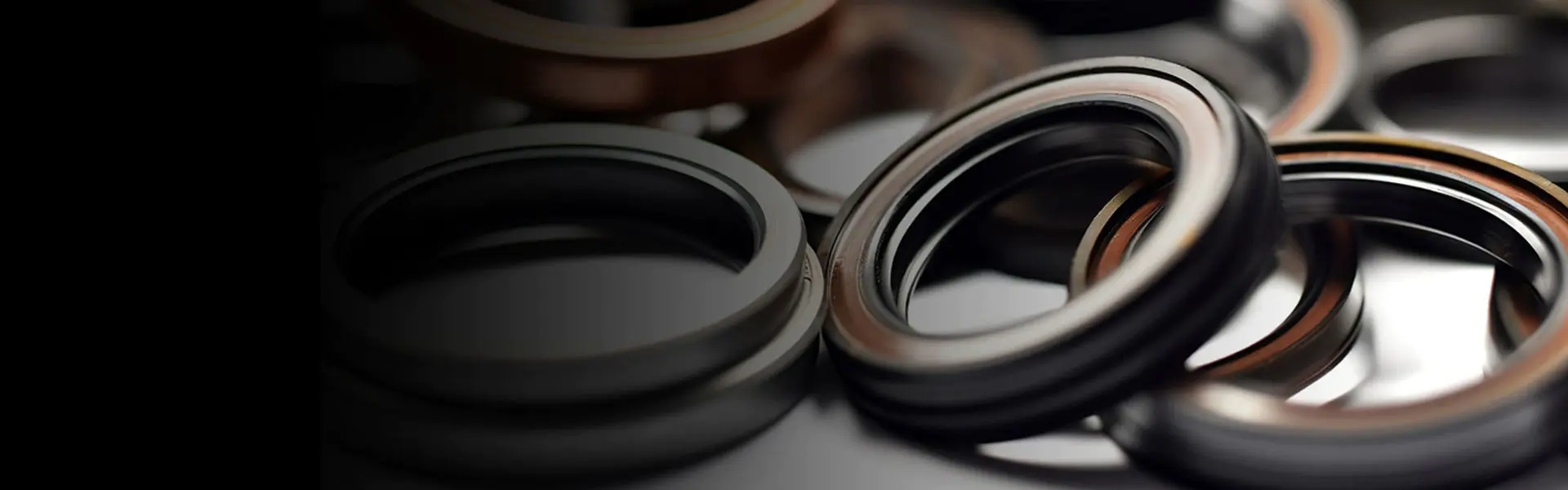
Graphite packing represents a pinnacle of sealing technology, engineered to handle extreme conditions where traditional materials fail. Composed primarily of high-purity, flexible graphite, this type of packing is manufactured by calendering exfoliated graphite into sheets or filaments, which are then woven, braided, or die-formed into seals. Its fundamental property lies in the layered structure of graphite crystals, which provides exceptional thermal conductivity, chemical inertness, and self-lubrication. Unlike conventional packings that may degrade, harden, or wear quickly, graphite packing maintains its integrity, offering a reliable, long-term seal that minimizes downtime and maintenance costs.
The uniqueness of graphite as a sealing material stems from its ability to perform under intense heat and pressure. It can withstand temperatures from cryogenic levels up to 3000°F (1650°C) in non-oxidizing atmospheres, and up to 850°F (454°C) in continuous oxidizing environments. This makes it indispensable in industries where safety and efficiency are non-negotiable. From controlling emissions in valve stems to ensuring zero-leakage in pump shafts within chemical processing plants, graphite packing is the unsung hero of industrial fluid containment. Its versatility and robustness solve critical challenges, preventing costly leaks, protecting equipment, and ensuring environmental compliance across the globe.
At Kaxite, we don't just manufacture graphite packing; we engineer sealing solutions based on decades of material science expertise. Our products are designed to meet the most demanding specifications, ensuring optimal performance, extended service life, and superior return on investment. We understand that every application has unique pressures, temperatures, and media, which is why our R&D team focuses on creating specialized formulations and constructions.
Kaxite graphite packing is produced using a proprietary process that starts with sourcing the highest crystalline purity graphite. This material is then meticulously processed to enhance its natural properties. Our advanced manufacturing techniques ensure uniform density, consistent fiber orientation, and the perfect balance of flexibility and strength. Whether you require braided packing for dynamic rotary applications or die-formed rings for static seals in flanges, Kaxite provides a product that delivers leak-free operation, reduces shaft wear, and requires minimal adjustment. We stand behind our products with rigorous quality control at every stage, from raw material inspection to final performance testing.
Understanding the precise specifications of graphite packing is crucial for selecting the right product for your application. Below is a detailed breakdown of the key parameters that define Kaxite's high-performance graphite packing range.
| Parameter | Typical Range / Value | Test Standard / Notes |
|---|---|---|
| Temperature Range (Inert Atmosphere) | -240°C to 1650°C (-400°F to 3000°F) | Non-oxidizing gases (Helium, Argon, Nitrogen, Vacuum) |
| Temperature Range (Oxidizing Atmosphere) | -200°C to 454°C (-328°F to 850°F) Continuous | In air or oxygen-containing environments |
| Thermal Conductivity | 50 - 150 W/(m·K) (in-plane) | ASTM D5470, varies with density and orientation |
| Compression Set | < 15% | ASTM F36, at room temperature and rated pressure |
| Recovery Rate | > 85% | ASTM F36 |
| Coefficient of Friction | 0.05 - 0.15 (Dynamic, against steel) | ASTM D1894, self-lubricating property |
| Maximum Service Pressure (Static Seal) | Up to 200 Bar (2900 PSI) | Dependent on gland design and ring configuration |
| Maximum Service Pressure (Dynamic/Rotary) | Up to 50 Bar (725 PSI) | For pump and valve shafts; speed dependent |
| Maximum Shaft Speed (Rotary) | Up to 25 m/s (82 ft/s) | Requires adequate cooling and lubrication |
| Chemical Compatibility | Excellent resistance to most media except strong oxidizing agents | Compatible with acids, alkalis, hydrocarbons, steam, hot oils, etc. |
| pH Range | 0 - 14 | Except in strongly oxidizing acids (e.g., nitric, chromic above certain concentrations) |
Q: What are the main differences between braided graphite packing and graphite foil/tape?
A: Braided graphite packing is created by weaving exfoliated graphite yarns, often with metal or other fiber reinforcements. It is designed for dynamic sealing applications like pump shafts and valve stems, offering excellent flexibility, resilience, and durability under movement. Graphite foil or tape, on the other hand, is a pure, calendered sheet of flexible graphite. It is typically used for static sealing (e.g., flange gaskets, heat exchanger gaskets) or as a wrapping material. While foil provides superior conformability and thermal conductivity in static applications, braided packing is engineered to withstand the wear and tear of rotary or reciprocating motion.
Q: Can graphite packing be used for sealing steam services?
A: Yes, graphite packing is an excellent choice for high-temperature steam applications. Its thermal stability and self-lubricating properties make it ideal for sealing steam valve stems and pump shafts. Kaxite graphite packing can handle saturated and superheated steam at temperatures and pressures commonly found in power generation and process industries. For optimal performance, it is often recommended to select a reinforced style (e.g., with Inconel wire) for added strength and longevity in high-pressure steam environments.
Q: How do I properly install graphite packing in a pump or valve?
A: Correct installation is critical for performance and longevity. Clean the shaft/stem and stuffing box thoroughly. For braided packing, always use rings cut exactly to size—a mandrel cutter is recommended. Stagger the ring joints by 90 degrees for each subsequent ring. Use a tamping tool to seat each ring firmly but without excessive force that could damage the graphite structure. For die-formed rings, follow the manufacturer's specific instructions for ring sequence. After installation, tighten the gland follower finger-tight only. Start the equipment and allow the packing to run-in for a short period, then make gradual, quarter-turn adjustments to the gland nuts until a slight leakage is observed for lubrication. After a few hours of operation, re-tighten just enough to achieve a minimal drip (typically 1-2 drops per minute for lubrication). Over-tightening is a common cause of premature failure.
Q: Is graphite packing compatible with aggressive chemicals like sulfuric acid or caustic soda?
A: Graphite packing exhibits outstanding chemical resistance. It is highly compatible with a wide range of acids, including sulfuric, hydrochloric, and phosphoric acids at various concentrations and temperatures. It also resists strong alkalis like caustic soda (sodium hydroxide). However, caution is advised with strongly oxidizing media. For example, concentrated nitric acid, chromic acid, or halogens (like chlorine or fluorine) at high temperatures can oxidize and degrade pure graphite. For such applications, Kaxite offers specially treated or composite packing grades with enhanced oxidation resistance. Always consult our technical datasheets or contact our engineering team for specific media compatibility.
Q: What does "reinforced" graphite packing mean, and when should I use it?
A: Reinforced graphite packing incorporates a secondary material, typically a metal wire (such as Inconel 600/601, 304 or 316 stainless steel, or Monel) or sometimes a synthetic fiber, into the graphite braid. This reinforcement provides several benefits: increased tensile strength and structural integrity, improved resistance to extrusion under high pressure, better handling characteristics, and enhanced durability in abrasive services. Use reinforced graphite packing for applications with high shaft speeds, significant pressure fluctuations, abrasive slurries, or where extra mechanical strength is required to prevent packing blow-out. For standard, non-abrasive services with moderate conditions, pure flexible graphite packing is often sufficient and provides the best sealing performance.
Q: How long does graphite packing typically last compared to other materials like PTFE or aramid fiber?
A: Service life varies greatly based on the application conditions (temperature, pressure, media, shaft speed, runout, etc.). However, in comparable high-temperature applications, graphite packing generally outperforms PTFE and aramid fiber packings. PTFE-based packings are typically limited to about 260°C (500°F) and can cold-flow under pressure. Aramid fibers degrade at temperatures above 300°C (572°C). Graphite packing can operate at much higher temperatures while maintaining its seal. With proper selection and installation, graphite packing can last several times longer than conventional packings in severe service, significantly reducing maintenance intervals and total cost. Many users report service lives of 1-3 years or more in continuous operation, whereas other materials might require replacement every 6-12 months.


