
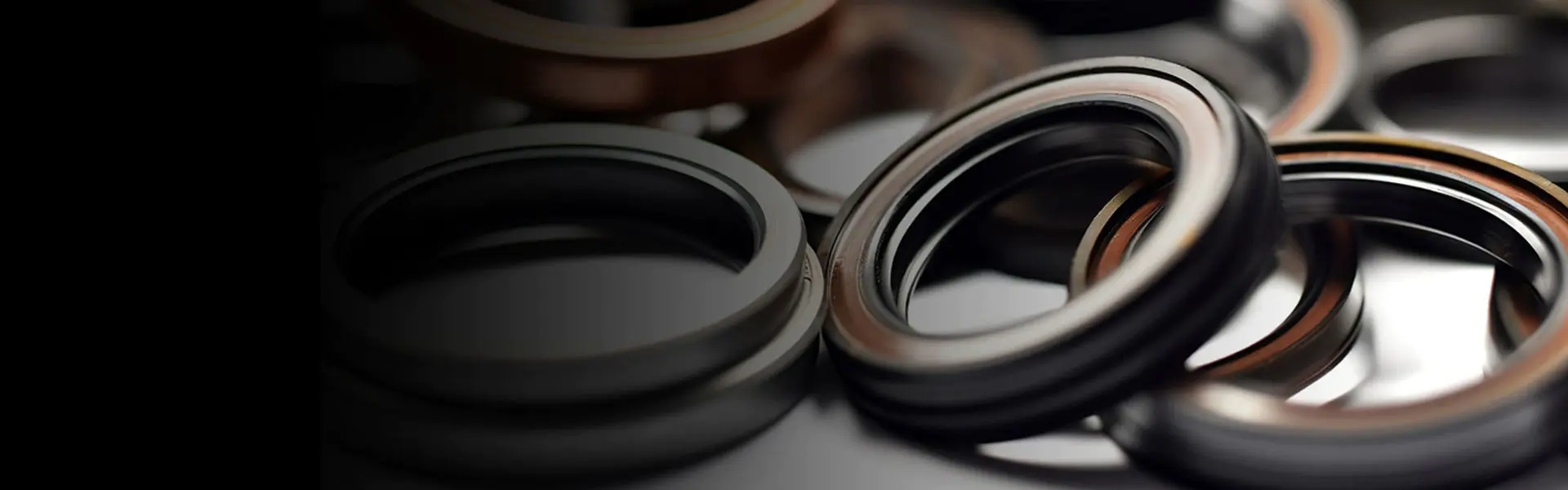
In industrial piping and bolting systems, controlling unwanted electrical current flow is critical for safety, system integrity, and longevity. Flange Insulation Gasket Kits are engineered solutions designed to prevent galvanic corrosion and isolate pipelines from stray electrical currents. These kits are essential components in industries such as oil & gas, chemical processing, water treatment, and power generation, where dissimilar metals connect or where cathodic protection systems are in use. A complete kit typically includes insulating gaskets, sleeves, washers, and sometimes centralizing rings, providing a full dielectric barrier at the flange connection point. By implementing a high-quality insulation gasket kit, operators can significantly reduce maintenance costs, prevent leaks, and avoid catastrophic failures caused by corrosion.
Flange insulation kits are not a one-size-fits-all product; their application is dictated by specific industrial needs and environmental challenges.
The effectiveness of a flange insulation kit hinges on the quality and properties of its constituent materials. Kaxite kits are manufactured to the highest standards, using rigorously tested components.
| Component | Common Kaxite Materials | Key Properties | Ideal For |
|---|---|---|---|
| Gasket | PTFE (Teflon), Modified PTFE, Filled PTFE (Glass, Graphite), Gylon® | Excellent chemical resistance, wide temperature range (-200°C to +260°C), superior dielectric strength, creep resistance. | Aggressive chemicals, high purity, cryogenic to moderate high-temp services. |
| Gasket | Non-Asbestos (Aramid Fiber, Glass Fiber with Elastomer Binder) | Good compressibility, handles uneven flange surfaces, cost-effective for less aggressive services. | Water, steam, mild chemicals, lower temperature/pressure applications. |
| Sleeves & Washers | Phenolic Resin, PTFE, PEEK, Polypropylene | High compressive strength, excellent electrical insulation, low moisture absorption. | Standard bolt isolation; PEEK/Phenolic for high bolt load; PTFE for chemical exposure. |
| Parameter | Typical Specification Range | Testing Standard | Importance |
|---|---|---|---|
| Dielectric Strength | > 5 kV/mm (for PTFE/Phenolic) | ASTM D149 | Measures the material's ability to resist electrical breakdown. Higher values ensure reliable isolation. |
| Compressive Strength | 70 - 150 MPa (Phenolic) | ASTM D695 | Ensures sleeves and washers do not crush under high bolt torque, maintaining insulation integrity. |
| Temperature Range | -200°C to +260°C (PTFE) -50°C to +150°C (Non-Asbestos) |
Material Specific | Defines the operational limits of the kit. Must be suitable for process and ambient conditions. |
| Chemical Compatibility | Resistant to broad range of acids, bases, solvents (PTFE) | NACE MR0175 / ISO 15156 | Critical for preventing material degradation and seal failure in corrosive service. |
| Flange Pressure Class & Size | ANSI Class 150 to 2500 PN 6 to PN 400 NPS 1/2" to 60" |
ASME B16.5, B16.47, EN 1092-1 | Kits must be engineered to match the specific flange dimensions and pressure rating. |
Proper installation is as crucial as the quality of the kit itself. Incorrect installation can compromise the insulation, leading to short-circuiting and corrosion.
Q: What is the primary purpose of a flange insulation gasket kit?
A: The primary purpose is to create a complete dielectric (non-conductive) barrier at a flanged joint. This serves two main functions: First, it prevents galvanic corrosion, which occurs when two dissimilar metals (like carbon steel and stainless steel) are in electrical contact in the presence of an electrolyte (like water). The kit breaks the electrical circuit. Second, it isolates sections of pipeline for effective cathodic protection, ensuring protective currents flow where intended and are not short-circuited through the flange.
Q: How do I select the right material for my application?
A: Material selection depends on three core factors: chemical media, temperature, and pressure. For highly corrosive services (acids, strong alkalis, solvents), PTFE-based gaskets are the standard choice due to their near-universal chemical resistance. For high-temperature applications beyond 200°C, consider filled PTFE or specialized materials like PEEK for sleeves. For water, steam, or mild chemicals at lower temperatures, non-asbestos compressed fiber gaskets can be a cost-effective and performant option. Always consult the Kaxite chemical resistance and temperature rating charts, and consider the full P/T envelope of your system.
Q: Can I use just an insulating gasket without the sleeves and washers?
A: No, this is a common and critical mistake. Using only the gasket creates an insulation barrier between the flange faces, but the bolts themselves will still make metal-to-metal contact between the two flanges, creating an electrical bridge. This renders the gasket almost useless for corrosion prevention. A full kit—including insulating sleeves for each bolt and insulating washers under the nut and bolt head—is essential to completely isolate the two flanged components electrically.
Q: What is the difference between a full-face and a ring-type insulating gasket?
A: A full-face gasket covers the entire flange face, including the bolt holes, and is used with flat-face (FF) flanges. A ring-type gasket sits inside the bolt circle and is used with raised-face (RF) or ring-type joint (RTJ) flanges. The kit configuration (sleeve length, washer size) differs accordingly. It is vital to specify your flange type (RF, FF, RTJ) and provide the correct ANSI/PN class and size when ordering to ensure you receive the correct Kaxite kit configuration.
Q: How do I test if an installed insulation kit is working properly?
A: The standard field test is using a megohmmeter (also known as an insulation resistance tester). With the pipeline section safely isolated and de-energized, the tester applies a high DC voltage (e.g., 1000V) between the flanges and measures the resistance. A reading significantly higher than 1 Megohm indicates good insulation integrity. A low reading suggests a short circuit, which could be due to damaged components, incorrect installation, or conductive debris trapped in the joint. This test should be performed after installation and periodically during maintenance.
Q: Are these kits reusable?
A: Generally, flange insulation gasket kits are considered single-use, especially the gasket and insulating washers. Once compressed during torquing, the gasket material has undergone plastic deformation to seal the flange faces. Reusing it will likely result in a poor seal and compromised insulation. The phenolic or PEEK sleeves and steel washers may survive if carefully removed without damage, but it is not recommended. Kaxite advises using a new, complete kit every time a flanged joint is broken and remade to guarantee performance and safety.
Q: Can Kaxite provide custom kits for non-standard flanges or special requirements?
A: Yes, Kaxite specializes in engineering solutions for unique challenges. We can manufacture custom insulation kits for large diameters, special pressure classes, exotic material requirements (like PEEK or Vespel for extreme conditions), or non-standard geometries. Provide our engineering team with detailed specifications, including flange drawings, service conditions (fluid, temperature, pressure), and any relevant standards (NACE, ATEX, etc.) for a tailored solution.


