
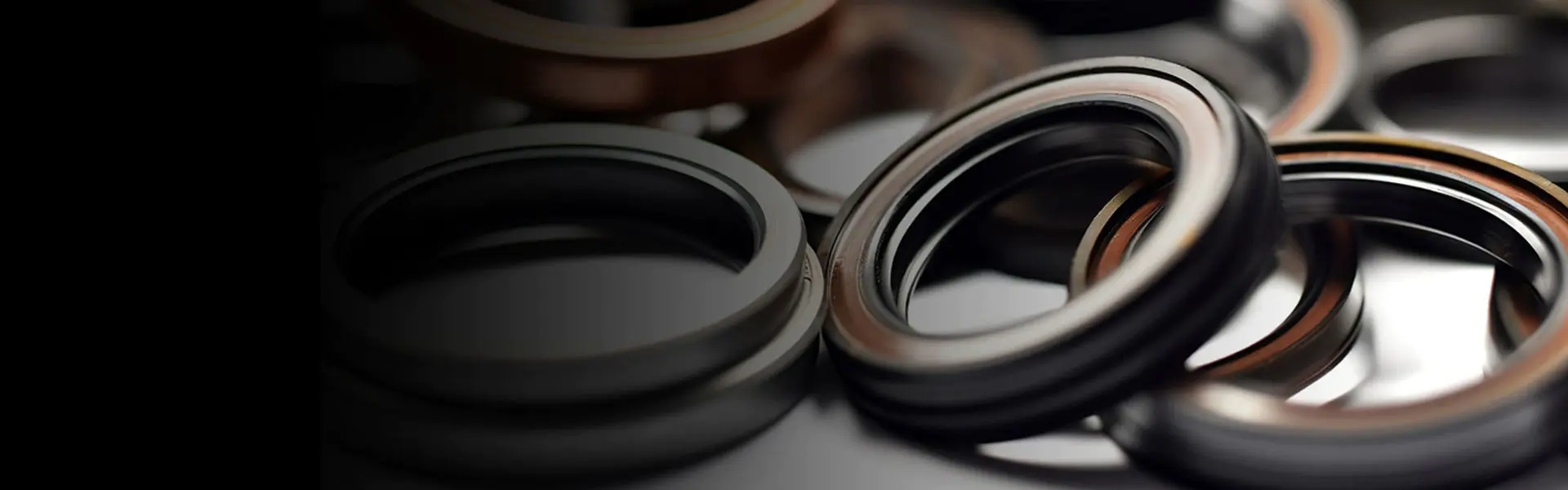
For decades, asbestos was the go-to material for gaskets due to its exceptional heat resistance and durability. However, the severe health risks associated with asbestos fibers led to a global shift towards safer, high-performance alternatives. Modern non-asbestos gaskets are engineered to meet and often exceed the performance of traditional asbestos materials without the associated hazards. At Kaxite, we specialize in manufacturing premium non-asbestos gasket materials designed for reliability, safety, and compliance in the most demanding industrial applications.
Non-asbestos gaskets are composite materials created by combining reinforcing fibers (such as aramid, glass, carbon, or mineral fibers) with elastomeric binders (like NBR, SBR, or EPDM) and other fillers. This formulation results in sheets with excellent sealing properties, capable of withstanding high temperatures and pressures, resistant to chemicals, and suitable for a wide range of media including water, steam, oils, fuels, and many chemicals.
Kaxite offers a comprehensive range of non-asbestos gasket sheets categorized by material composition and performance grade. Below are the detailed specifications for our flagship series.
| Series Code | Primary Reinforcement Fiber | Binder Type | Temperature Range | Pressure Range | Standard Thickness | Color | Typical Applications |
|---|---|---|---|---|---|---|---|
| KX-NA1500 | Aramid Fiber | NBR | -40°C to +200°C (-40°F to +392°F) | Up to 1500 PSI | 0.5mm, 0.8mm, 1.5mm, 3.0mm | Blue | General purpose, water, steam, mild chemicals |
| KX-NA2000 | Mineral & Aramid Fiber | SBR | -30°C to +300°C (-22°F to +572°F) | Up to 2000 PSI | 0.8mm, 1.5mm, 3.0mm | Green | Hot oils, hydrocarbons, exhaust systems |
| KX-NA3000 | Graphite & Glass Fiber | Graphite/Elastomer Blend | -50°C to +450°C (-58°F to +842°F) | Up to 3000 PSI | 1.5mm, 3.0mm | Gray/Black | High-temperature flanges, heat exchangers, chemical processing |
| Property | Test Method | KX-NA1500 | KX-NA2000 | KX-NA3000 |
|---|---|---|---|---|
| Tensile Strength (MPa) | ASTM F152 | 8.5 Min | 10.0 Min | 11.5 Min |
| Compression Recovery (%) | ASTM F36 | 50% | 45% | 40% |
| Creep Relaxation (%) | ASTM F38 | ≤ 25% | ≤ 20% | ≤ 15% |
| Fluid Resistance (Weight Change % in ASTM Oil #3) | ASTM F146 | +15 to +35 | +10 to +25 | +5 to +15 |
| pH Range Compatibility | Industry Standard | 2 - 12 | 1 - 13 | 0 - 14 |
Q: What exactly are non-asbestos gaskets made of?
A: Non-asbestos gaskets are manufactured using a blend of safe, synthetic fibers as reinforcement. Common fibers include aramid (e.g., Kevlar®), glass, carbon, cellulose, and mineral fibers. These fibers are bonded together using elastomers like Nitrile Rubber (NBR), Styrene-Butadiene Rubber (SBR), or pure graphite. This combination creates a strong, flexible, and temperature-resistant sealing material that is completely free from asbestos.
Q: Are non-asbestos gaskets as good as the old asbestos gaskets?
A: Yes, modern high-quality non-asbestos gaskets from reputable manufacturers like Kaxite are not only equivalent but often superior. They match the sealing capability, temperature resistance, and durability of asbestos materials. Crucially, they offer additional benefits such as better consistency, improved chemical resistance for specific media, and no health risks. Advances in material science have made them the reliable and responsible standard worldwide.
Q: How do I select the right non-asbestos gasket material for my application?
A: Selection depends on four key service conditions: Temperature, Pressure, Media (chemicals or fluids being sealed), and Flange type/surface. First, match the material's temperature and pressure ratings (see our specifications table) to your operating conditions. Second, verify chemical compatibility with the media—Kaxite provides detailed chemical resistance charts. For high-temperature steam or aggressive chemicals, our graphite-based KX-NA3000 series is ideal. For general industrial use with oils and water, KX-NA1500 or KX-NA2000 are excellent choices.
Q: How should I store and handle Kaxite non-asbestos gasket sheets?
A: Proper storage ensures material integrity. Store sheets in a cool, dry place away from direct sunlight, moisture, and extreme temperatures. Keep them flat on a shelf or pallet to prevent bending or curling. Avoid contact with ozone generators (like welding equipment) and strong oxidizing agents. Always handle sheets with clean hands or gloves to avoid contamination of the sealing surface.
Q: What are the correct installation torques for non-asbestos gaskets?
A: Correct bolt torque is critical for an effective seal. Over-torquing can crush the gasket, while under-torquing can cause leakage. Always follow the flange manufacturer's or system designer's recommended torque values. As a general guideline, non-asbestos materials often require a lower initial bolt torque compared to traditional asbestos, but a higher final torque after a heat cycle (re-torquing) to compensate for initial compression set. Using a calibrated torque wrench and a star-pattern tightening sequence is essential.
Q: Are Kaxite non-asbestos gaskets certified?
A: Absolutely. Kaxite non-asbestos gasket materials are rigorously tested and certified to meet or exceed major international standards. Our products comply with ASTM F104, F112, F146, and F152 standards. They are also certified to be asbestos-free according to EPA and EU regulations. Certificates of Conformance (CoC) and Material Safety Data Sheets (MSDS/SDS) are available for all our products, ensuring traceability and regulatory compliance for your projects.
Q: Can you supply custom-cut gaskets or full sheets?
A: Kaxite provides maximum flexibility. We supply full sheets in standard sizes (e.g., 1500mm x 1500mm) and standard roll dimensions. Furthermore, we offer precision custom die-cutting, laser cutting, and waterjet cutting services to deliver ready-to-install gaskets in any shape or complexity, reducing your fabrication time and material waste. Simply provide us with your technical drawings or sample.


