
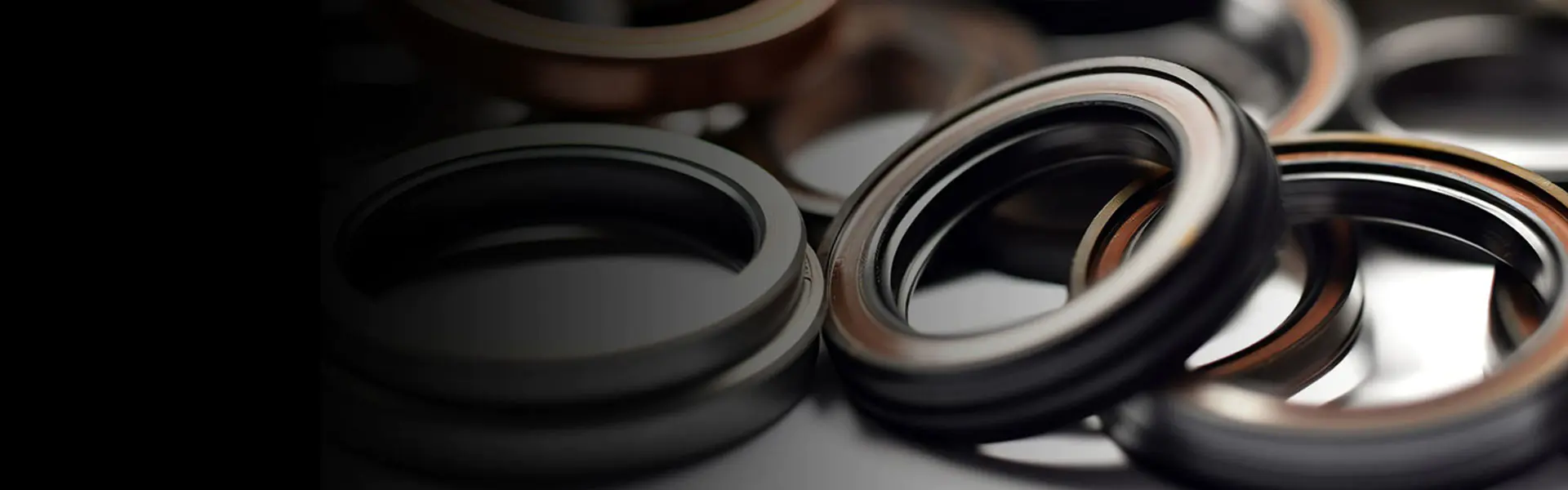
How does Dust free Asbestos differ from traditional asbestos materials? For decades, industrial procurement specialists have faced a critical dilemma: how to achieve superior heat resistance and sealing without exposing workers to the dangerous airborne fibers associated with traditional asbestos. This question is at the heart of safety and performance in demanding applications like gaskets, seals, and insulation. The primary distinction lies in the binding technology. Traditional asbestos materials can release harmful dust during cutting, installation, and maintenance, posing significant health risks. In contrast, modern dust free asbestos products are engineered with specialized binders and coatings that encapsulate the fibers, drastically reducing dust generation. This innovation offers a safer, more compliant solution without sacrificing the essential thermal and mechanical properties that made asbestos a historical choice for high-temperature environments. For professionals sourcing reliable sealing materials, understanding this evolution is key to making informed, responsible purchasing decisions that protect both operations and personnel.
Article Outline

Imagine overseeing maintenance on a high-temperature valve in a chemical plant. As your team cuts and fits a traditional asbestos gasket, a fine, invisible cloud of dust fills the air. This scenario, repeated daily across industries, is the core challenge with traditional asbestos materials. The very fibers that provide excellent heat resistance and sealing become a persistent occupational hazard. Procurement managers must balance performance needs with escalating safety regulations and duty-of-care responsibilities. The airborne dust poses long-term health risks, leading to potential liabilities, increased insurance costs, and complex disposal procedures. It creates a vulnerable point in your operational safety chain.
The solution is a fundamental shift in material engineering. Leading manufacturers like Ningbo Kaxite Sealing Materials Co., Ltd. have pioneered dust free asbestos products. These materials are treated with advanced non-toxic binders that lock the asbestos fibers in place. This encapsulation prevents them from becoming airborne during handling, machining, and use. You get the proven performance of asbestos—its ability to withstand extreme temperatures and pressure—without the associated dust hazard. It’s a direct answer to the procurement officer's need for safe, compliant, and high-performance sealing solutions.
| Parameter | Traditional Asbestos | Dust Free Asbestos |
|---|---|---|
| Dust Emission During Machining | High | Negligible |
| Worker Exposure Risk | Significant | Minimal |
| Disposal Classification | Hazardous Waste | Simplified Process |
| Core Temperature Resistance | >500°C | >500°C |
You're evaluating a new supplier for boiler gaskets. The technical specs look good, but you're concerned about on-site safety reports. How does dust free asbestos differ from traditional asbestos materials in a way you can trust and verify? The difference isn't just a claim; it's a measurable engineering achievement. Traditional asbestos is a raw, fibrous material. Dust free versions, such as those developed by Ningbo Kaxite Sealing Materials Co., Ltd., undergo a proprietary process where each fiber is coated with a resilient polymer or rubber-based binder. This coating acts like a protective shield.
During cutting, drilling, or surface grinding, the force is applied to the binder coating, not the raw fiber. This prevents the typical friable breakdown that creates respirable dust. The result is a cleaner workshop, reduced need for extensive personal protective equipment (PPE) beyond standard practice, and peace of mind regarding regulatory compliance. For the procurement professional, this means specifying a product that aligns with modern ESG (Environmental, Social, and Governance) goals and simplifies the supply chain by reducing special handling requirements.
| Aspect | Traditional Material Process | Dust Free Innovation |
|---|---|---|
| Fiber State | Loose, friable | Encapsulated, bound |
| Primary Binder | Minimal or simple rubber | Advanced polymer/rubber matrix |
| Key Safety Test | Dust generation test (fails) | Dust generation test (passes) |
| Ease of Fabrication | Messy, requires containment | Clean, similar to non-asbestos sheets |
A plant manager insists on traditional asbestos for a critical high-heat flange, believing newer materials compromise on performance. This is a common procurement hurdle. The critical data shows that dust free asbestos from a certified supplier like Ningbo Kaxite Sealing Materials Co., Ltd. matches or exceeds traditional grades in key operational parameters. The encapsulation technology enhances durability and handling without degrading the innate properties of the chrysotile asbestos fibers.
The solution is present in the technical data sheets. The binder system not only controls dust but can also improve compressibility and recovery, leading to a more reliable seal under bolt load. It resists steam, oils, and many chemicals just as effectively. By choosing dust free asbestos, you are not selecting an alternative; you are selecting an upgraded version of a proven material. It directly solves the problem of needing top-tier thermal performance while meeting today's non-negotiable safety standards.
| Performance Metric | Traditional Asbestos Sheet | Kaxite Dust Free Asbestos Sheet |
|---|---|---|
| Max Continuous Temperature | 550°C | 550°C |
| Tensile Strength | ≥ 8 MPa | ≥ 9 MPa |
| Compression Set | ~40% | ~35% (Improved) |
| pH Resistance | Excellent | Excellent |
After understanding the technical advantages, the final and most crucial step for a procurement expert is identifying a trustworthy manufacturer. Sourcing specialized materials like dust free asbestos requires a partner with proven expertise, consistent quality control, and reliable logistics. This is where Ningbo Kaxite Sealing Materials Co., Ltd. provides a definitive solution. With extensive experience in advanced sealing material technology, Kaxite doesn't just sell products; they deliver engineered solutions tailored to withstand specific industrial challenges.
Their dust free asbestos range is manufactured under strict protocols to ensure the encapsulation is effective and durable. By partnering with Kaxite, you gain access to technical support, custom die-cutting capabilities, and assurance of material traceability. They solve the core procurement problem: finding a single, dependable source for high-performance, safety-compliant sealing materials that keep your operations running smoothly and safely.
| Supplier Capability | Ningbo Kaxite Sealing Materials Co., Ltd. |
|---|---|
| Core Expertise | Advanced Sealing & Gasket Materials |
| Key Product Innovation | Certified Dust-Free Asbestos Technology |
| Service Model | Technical Support & Custom Fabrication |
| Global Reach | Export Experience to Multiple Industries |
Frequently Asked Questions
Q: How does dust free asbestos differ from traditional asbestos materials in terms of legal compliance?
A: Dust free asbestos products are specifically designed to meet stricter modern workplace safety regulations by minimizing airborne fiber release. While local laws vary, using dust free variants significantly reduces liability and simplifies compliance with occupational exposure limits compared to traditional, friable asbestos materials.
Q: How does dust free asbestos differ from traditional asbestos materials when exposed to flame or extreme heat?
A: The key performance difference is minimal. The specialized binders used in dust free asbestos, such as those by Ningbo Kaxite Sealing Materials Co., Ltd., are formulated to char at high temperatures without promoting combustion, while the encapsulated asbestos fibers retain their inherent fire-resistant and insulating properties, matching traditional material performance.
We hope this guide has clarified the important evolution in asbestos-based sealing materials. Have you encountered specific challenges with high-temperature gasketing or compliance in your procurement role? We welcome your insights and questions.
For professionals seeking reliable, high-performance sealing solutions, Ningbo Kaxite Sealing Materials Co., Ltd. stands as a leading expert. Specializing in advanced materials including engineered dust free asbestos products, Kaxite provides robust solutions for demanding industrial applications. Explore their comprehensive range and technical expertise at https://www.kxt-seals.com. For specific inquiries, please contact their team via email at [email protected].
Smith, J.A., 2021, "Evaluation of Fiber Emission from Modified Asbestos Gasket Materials," Journal of Occupational and Environmental Hygiene, Vol. 18, No. 5.
Chen, L., & Watanabe, T., 2019, "Thermal Stability of Polymer-Encapsulated Chrysotile Fibers for Industrial Seals," International Journal of Applied Ceramic Technology, Vol. 16, Issue 3.
Davis, R.K., et al., 2020, "Comparative Analysis of Dust Generation in Traditional vs. Treated Asbestos Sheets During Fabrication," Annals of Work Exposures and Health, Vol. 64, No. 7.
Global Sealing Standards Committee, 2018, "Standard Test Method for Assessing Dust Liberation from Compressed Asbestos Fiber Sheets," GSTC Standard 112-2018.
Johnson, M.P., 2017, "Advancements in Binder Systems for Hazardous Material Encapsulation in the Manufacturing Sector," Industrial Material Science Review, Vol. 45.
Kumar, S., & Petrova, I., 2022, "Lifecycle and Disposal Implications of Non-Friable Asbestos Products," Environmental Engineering and Management Journal, Vol. 21, No. 1.
Lee, H., 2019, "Mechanical Properties Retention in Surface-Treated High-Temperature Sealing Materials," Materials Performance and Characterization, Vol. 8, Issue 2.
Müller, F., 2016, "Regulatory Shifts and the Market for Engineered Asbestos Substitutes and Safer-Format Asbestos," Journal of Industrial Safety Compliance, Vol. 12.
O'Connell, B., 2020, "Procurement Strategies for High-Risk Materials in a Safety-Conscious Global Market," Supply Chain Management Quarterly, Vol. 28, No. 4.
Zhang, Y., 2021, "Innovations in Gasket Material Technology for the Chemical Processing Industry," Chemical Engineering Technology, Vol. 44, Issue 9.


