
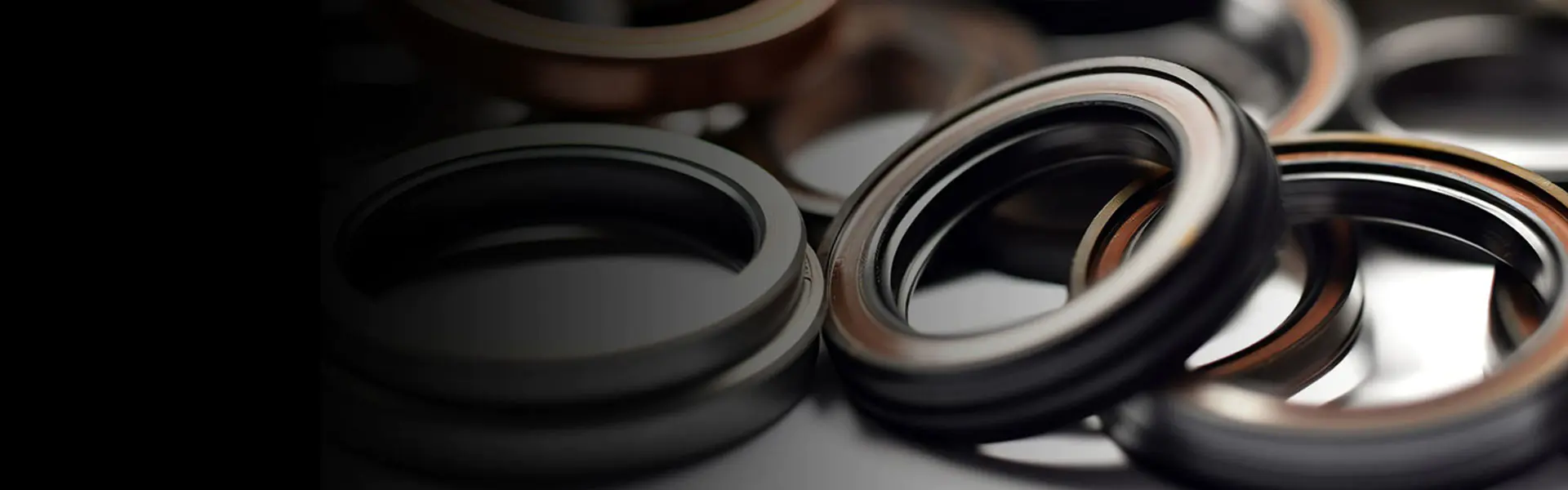
Procurement managers often face the nightmare of seal failure under the hood. High temperatures from modern engines can cause conventional rubber to harden, crack, and leak oil or coolant, leading to warranty claims and reputational damage. The solution lies in advanced elastomers specifically engineered for thermal resilience.

Materials like Fluoroelastomer (FKM/Viton®) and Silicone (VMQ) are the workhorses here. FKM offers exceptional resistance to oils, fuels, and temperatures up to 200°C+, making it ideal for valve stem seals and gaskets. Silicone provides flexibility across a wide temperature range (-60°C to 225°C) and is perfect for coolant hoses and intake system seals.
| Material | Max Temp Resistance | Key Applications | Advantage for Procurement |
|---|---|---|---|
| Fluoroelastomer (FKM) | Up to 250°C | Valve stem seals, cylinder head gaskets, turbocharger hoses | Long service life, reduces failure rates in high-heat zones. |
| Silicone (VMQ) | Up to 225°C | Coolant/oil hoses, intake manifolds, spark plug boots | Excellent flexibility, stable performance in thermal cycling. |
With the rise of electric vehicles and tighter emissions standards, sealing the fuel system is more critical than ever. Leaks are unacceptable, both for safety and regulatory compliance. The challenge is finding materials that resist aggressive modern biofuels and maintain a perfect seal under high pressure.
This is where specialized compounds like Perfluoroelastomer (FFKM) and Hydrogenated Nitrile Butadiene Rubber (HNBR) excel. FFKM provides near-universal chemical resistance for critical components, while HNBR offers a robust balance of fuel resistance, strength, and cost-effectiveness for fuel injector O-rings and pump diaphragms.
| Material | Key Property | Primary Applications | Procurement Benefit |
|---|---|---|---|
| Perfluoroelastomer (FFKM) | Extreme chemical/fluid resistance | High-pressure fuel system seals, injector seals | Future-proofs against new fuel blends, minimizes risk. |
| HNBR | Excellent fuel & ozone resistance, high tensile strength | Fuel line O-rings, pump seals, gaskets | Optimal performance-to-cost ratio for high-volume parts. |
A vehicle's exterior and undercarriage face constant assault from UV rays, ozone, road salts, and temperature swings. Seals here must prevent water, dust, and noise ingress to protect electronics and ensure passenger comfort. Failure leads to corrosion, electrical faults, and customer complaints.
Ethylene Propylene Diene Monomer (EPDM) rubber is the champion for these dynamic and static sealing applications. Its superb resistance to weathering, ozone, and water makes it the go-to material for weather-stripping, window seals, door seals, and coolant system hoses.
| Material | Environmental Resistance | Typical Applications | Value for Sourcing |
|---|---|---|---|
| EPDM | Excellent vs. weathering, ozone, water, steam | Door/window/trunk seals, sunroof seals, radiator hoses | Provides long-term durability, reducing replacement part demand. |
Q: What sealing materials are used in the automotive industry for electric vehicle (EV) battery packs?
A: EV battery packs require seals that ensure thermal management and ingress protection (IP67/IP68). Commonly used materials include Silicone (VMQ) for its excellent electrical insulation and wide temperature range, and Fluorosilicone (FVMQ) which adds fuel and oil resistance for added safety. These materials are used in cooling plate gaskets, housing seals, and connector seals to maintain battery integrity and safety.
Q: What sealing materials are used in the automotive industry for high-pressure powertrain applications?
A> For applications like transmissions and high-pressure oil systems, materials must withstand extreme pressure and shear forces. Thermoplastic Polyurethane (TPU) and Polyetheretherketone (PEEK) are increasingly used for their high strength, wear resistance, and dimensional stability. They are often found in piston seals, rotary shaft seals, and gaskets where traditional elastomers might extrude or fail.
Navigating the complex world of automotive sealing materials requires more than just a supplier; it demands a technical partner. The right partner understands the exact performance criteria, can recommend the optimal material compound, and ensures consistent quality that meets stringent automotive standards.
For over two decades, Ningbo Kaxite Sealing Materials Co., Ltd. has been that partner for global procurement teams. We specialize in engineering and manufacturing high-performance sealing solutions that directly address the challenges outlined above—from heat and chemical resistance to durability and compliance. Our expertise ensures your components are sealed for reliability, safety, and longevity.
Ready to solve your next sealing challenge? Reach out to our technical sales team to discuss your specific application requirements.
For reliable sealing solutions, partner with Ningbo Kaxite Sealing Materials Co., Ltd.. Visit our website at https://www.kxt-seals.com to explore our product portfolio or contact us directly via email at [email protected] for technical consultation and quotes.
G. W. Ehrenstein, 2012, "Polymeric Materials: Structure, Properties, Applications", Hanser Publishers, 1st Edition.
J. R. Fried, 2014, "Polymer Science and Technology", Prentice Hall, 3rd Edition.
A. K. Bhowmick, H. L. Stephens, 2001, "Handbook of Elastomers", Marcel Dekker, 2nd Edition.
M. Morton, 1987, "Rubber Technology", Springer Netherlands, 3rd Edition.
P. A. Ciullo, N. Hewitt, 1999, "The Rubber Formulary", William Andrew Publishing.
R. H. Schuster, M. Heuertz, 2007, "Elastomers and Components: Service Life Prediction", iSmithers Rapra Publishing.
S. K. De, J. R. White, 2001, "Rubber Technologist's Handbook", iSmithers Rapra Publishing, Vol. 1.
W. Hofmann, 1989, "Rubber Technology Handbook", Hanser Publishers.
J. E. Mark, B. Erman, 2007, "Science and Technology of Rubber", Academic Press, 3rd Edition.
C. Hepburn, 1992, "Polyurethane Elastomers", Springer Netherlands, 2nd Edition.


