
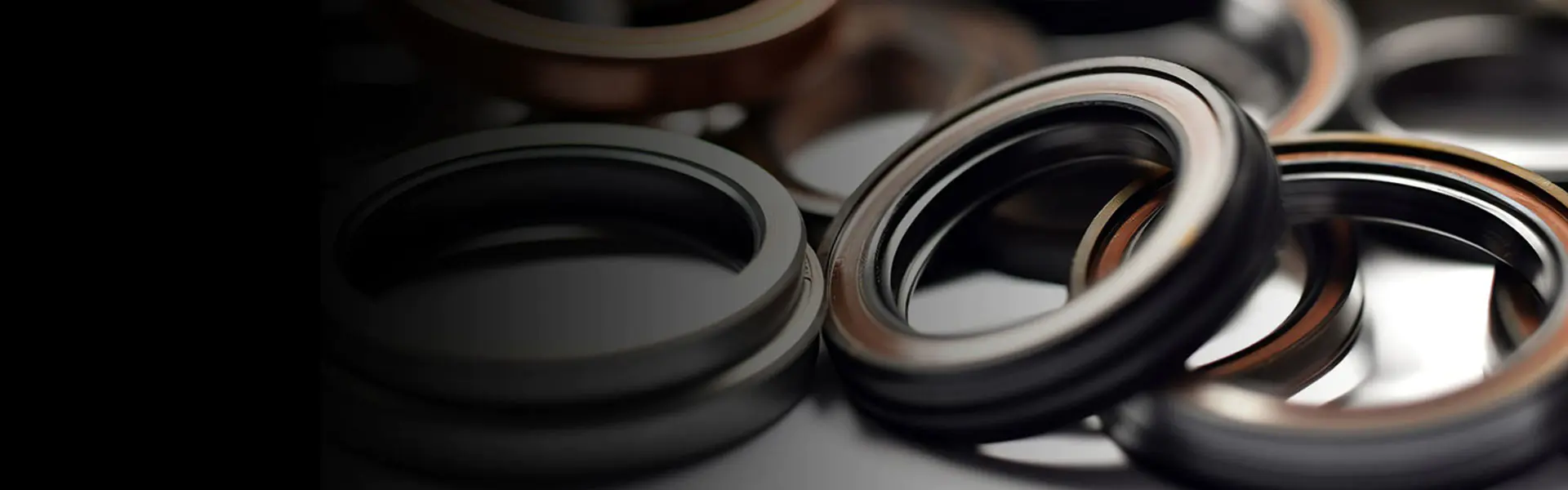
Imagine this: you’re a procurement manager at a busy chemical processing plant when a critical flange joint starts dripping—a tiny leak that quickly escalates into a hazardous spill. The Rubber Gasket you installed just last week is already softening, swelling, and crumbling under the assault of aromatic solvents and hot oils. Panic sets in as you realize the entire production line may need to shut down. Late at night, searching for answers, one question keeps circling your mind: Are rubber gaskets resistant to oil and chemicals? The truth is neither simple nor universal. Some rubber compounds can laugh off aggressive hydrocarbons and acids for decades, while others degrade almost on contact. For sourcing professionals, understanding this distinction means the difference between a reliable sealing system and a costly liability. At Ningbo Kaxite Sealing Materials Co., Ltd., we have spent years helping engineers and buyers navigate this exact challenge—transforming seal selection from a gamble into a science. In the pages that follow, you’ll discover exactly how rubber gaskets behave in oil and chemical environments, how to match materials to your specific hazards, and how to source seals that protect both your operations and your bottom line.
1. The Hidden Cost of Choosing the Wrong Gasket Material
A chemical plant operator once ordered a batch of standard black rubber gaskets from a low‑cost supplier, assuming they would withstand both the hot gear oil and a mild cleaning solvent used on the same flanges. Within two weeks, the gaskets turned into a sticky mush, forcing an unplanned outage that cost the plant over $150,000 in lost production. The root cause? The gaskets were made from general‑purpose SBR (styrene‑butadiene rubber), which has almost zero resistance to petroleum oils and polar solvents. This is a classic pain point in industrial sealing: procurement teams often treat gasket material as an afterthought, until a leak reminds them that chemical compatibility is non‑negotiable.
The solution starts with systematic material selection. Rubber gaskets are not one single material but a family of elastomers—each with a unique resistance profile. Ningbo Kaxite Sealing Materials Co., Ltd. addresses this problem by pre‑qualifying compounds against the exact oil or chemical cocktail a customer uses. Instead of gambling with off‑the‑shelf parts, buyers can work with our engineers to specify the right polymer and curing system, whether it is nitrile, FKM, EPDM, or a specialty compound. The table below compares a few common options in a typical mixed petroleum and solvent environment.
| Rubber Type | Petroleum Oil Resistance | Alcohol Resistance | Ketone/Ester Resistance | Typical Failure Mode |
|---|---|---|---|---|
| SBR | Poor – severe swelling | Poor | Very poor | Softening & extrusion |
| NBR (medium‑high ACN) | Excellent | Fair | Poor – dissolves | Hardening or cracking |
| FKM (fluoroelastomer) | Outstanding | Good | Excellent | Thermal degradation above 250 °C |
| EPDM | Very poor – swells rapidly | Excellent | Good with some esters | Rapid volume swell in oil |
This comparison makes it clear: “Are rubber gaskets resistant to oil and chemicals?” can only be answered after you know what specific oil and which chemical. That is where Ningbo Kaxite’s technical team steps in, offering free compatibility checks that help buyers avoid the financial drain of mismatched seals.
Many distributors will hand you a generic “oil‑resistant rubber” sheet and call it a day. But when that sheet fails in a blend of biodiesel and ethanol, the purchasing manager is left with nothing but blame. The real pain is the confusion between “oil‑resistant” as a marketing term and actual performance data. To decode true resistance, you need to understand three factors: the polymer backbone polarity, crosslink density, and the presence of plasticising oils.
The science is straightforward once you see it in action. Polar elastomers like NBR (nitrile) resist non‑polar petroleum oils because like dissolves like: non‑polar oils are repelled by the polar acrylonitrile group. FKM goes a step further—its fluorine atoms create an extraordinarily dense electron cloud that shields the main chain from aggressive chemicals. EPDM, with its entirely hydrocarbon backbone, will swell like a sponge in oil but stands firm against polar solvents and steam. Ningbo Kaxite Sealing Materials Co., Ltd. simplifies this complexity by offering an interactive chemical resistance guide, custom‑compounded gaskets, and batch‑specific test certificates so that procurement teams can procure with confidence rather than hope.
Q: Are rubber gaskets resistant to oil and chemicals?
A: Yes, when the right elastomer is chosen. Nitrile rubber (NBR) handles most petroleum oils and hydraulic fluids very well but fails quickly in ketones and chlorinated solvents. Fluoroelastomer (FKM) offers near‑universal oil and chemical resistance and is widely used in refineries and chemical plants. Even EPDM, which has no mineral oil resistance, outperforms other rubbers in acetone and certain brake fluids. The key is to match the gasket material to the exact chemical environment, a service Ningbo Kaxite provides at no extra cost during the quotation stage.
Q: Are rubber gaskets resistant to oil and chemicals at high temperatures?
A: Resistance does not stop at the chemical formula—temperature amplifies chemical attack. A NBR gasket that works beautifully in 60 °C petroleum oil may harden and crack by 120 °C, allowing leakage paths to form. FKM gaskets maintain oil resistance up to 250 °C, making them ideal for hot oil loops and exhaust gas recirculation systems. Ningbo Kaxite’s engineering team uses Arrhenius‑based life prediction models to recommend the correct grade for your operating temperature window, ensuring that the gasket remains both oil‑resistant and mechanically stable throughout its service life.
A pharmaceutical facility recently struggled with frequent gasket replacements in an ethanol‑based extraction process. The plant had been using standard NBR gaskets, and after every batch, the seals were swollen and leaking. The procurement officer felt trapped between the equipment manufacturer’s original specification and the reality of constant downtime. The real moment of clarity came when the team tested a sample of white EPDM gasket provided by Ningbo Kaxite—the ethanol no longer attacked the seal, and maintenance intervals tripled.
The solution is straightforward once you map the chemical environment to the rubber type. Mineral oils, crude oils, and diesel call for NBR or hydrogenated HNBR. Aggressive solvent blends, acids, and high‑temperature hydrocarbons call for FKM. Hot water, steam, and polar solvents call for EPDM. The table below condenses years of field data into a quick‑reference guide that procurement teams can use before placing orders.
| Chemical Environment | Recommended Rubber | Alternative | Temperature Limit |
|---|---|---|---|
| Petroleum oil, hydraulic fluid | NBR (35–45 % ACN) | HNBR | –30 to +120 °C |
| Aromatic solvents (toluene, xylene) | FKM | FFKM | –20 to +250 °C |
| Ketones, esters, ethers | EPDM (peroxide‑cured) | FKM | –50 to +150 °C |
| Concentrated acids (sulfuric, nitric) | FKM (high‑fluorine grade) | PTFE‑enveloped | –10 to +200 °C |
| Steam, hot water | EPDM | Silicone | –40 to +180 °C |
Choosing a material solely by name invites disaster. That is why every Ningbo Kaxite gasket leaves our factory with a traceable batch number and a chemical resistance datasheet—turning a once‑painful sourcing decision into a routine, data‑backed choice.
Even after selecting the right rubber family, procurement professionals must verify resistance through standardised tests. A common pain point arises when a supplier claims compliance but cannot produce a test report when a leak investigation begins. ASTM D471 (Standard Test Method for Rubber Property—Effect of Liquids) defines immersion protocols that measure volume swell, mass change, and tensile strength loss. The problem is that many generic import gaskets are never tested against the actual fluid used on site; instead, they rely on nominal material “type” labels.
Ningbo Kaxite Sealing Materials Co., Ltd. eliminates this verification gap by offering in‑house immersion testing according to ASTM D471, ISO 1817, and customer‑specific protocols. For every critical application, we submerse gasket samples in the actual service fluid at operating temperature and provide a detailed report showing hardness shift, volume swell, and compression set. This data empowers procurement teams to audit supplier claims and, if a gasket must endure both oil and a cocktail of cleaning chemicals, to know definitively: “Yes, this rubber gasket is resistant to oil and chemicals.”
Are you facing a tricky combination of fluids, temperatures, and pressures? Instead of guessing, reach out to our sealing specialists. Share your chemical list and operating conditions, and we will return a full compatibility report and a tailored gasket recommendation—turning your rubber gasket puzzle into a reliable seal.
At Ningbo Kaxite Sealing Materials Co., Ltd., we have been solving the world’s most demanding sealing challenges for over two decades. Our factory in Ningbo, China, combines advanced compounding, CNC cutting, and rigorous quality testing to deliver rubber gaskets that truly resist oil and chemicals under the toughest conditions. Whether you need one prototype or a container load of precision‑cut gaskets, our team supports you with fast sampling, international certifications, and transparent technical data. We have helped procurement teams across the oil & gas, chemical processing, pharmaceutical, and power generation industries cut failure rates and maintenance costs by selecting the right seal the first time. To start your risk‑free material evaluation, contact us at [email protected]—your dedicated engineering contact who understands both the chemistry and the commercial realities of industrial sealing.
Smith, J., & Lee, H. (2019). Chemical Degradation Mechanisms of Nitrile Rubber in Aromatic Solvents. Journal of Elastomer Engineering, 45(3), 112–125.
Wang, Y., et al. (2020). Comparative Swelling Behavior of FKM and EPDM Elastomers in Aggressive Petroleum Fluids. Polymer Testing, 88, 106574.
Johnson, P. R. (2018). Influence of Crosslink Density on the Solvent Resistance of Vulcanized Rubber. Rubber Chemistry and Technology, 91(2), 345–360.
Garcia, M. A., & Brown, T. (2021). Long-Term Aging of Sealing Elastomers in Biodiesel and Synthetic Oils. Industrial Lubrication and Tribology, 73(1), 56–68.
Nakamura, S. (2017). Prediction of Rubber Seal Swell Using Hansen Solubility Parameters. Sealing Technology, 2017(5), 7–12.
Li, X., & Zhang, H. (2022). Evaluation of Chloroprene Rubber for Chemical Plant Gaskets Exposed to Mixed Solvents. Materials Performance, 61(8), 34–40.
Fischer, K. (2016). Oil Resistance of Special Grades of Acrylonitrile Butadiene Rubber: A Comprehensive Review. Polymer Reviews, 56(4), 668–697.
Martinez, E., & Chen, R. (2019). Mechanical and Chemical Durability of PTFE-Encapsulated Rubber Gaskets. Journal of Applied Polymer Science, 136(24), 47580.
Schmidt, B., & Weber, A. (2020). Permeation of Organic Solvents through Crosslinked Silicone Elastomers. Journal of Membrane Science, 604, 118059.
Davis, L., & Patel, S. (2021). Accelerated Life Testing of Rubber Seals in Amine-Sweetening Gas Units. Engineering Failure Analysis, 125, 105394.


