
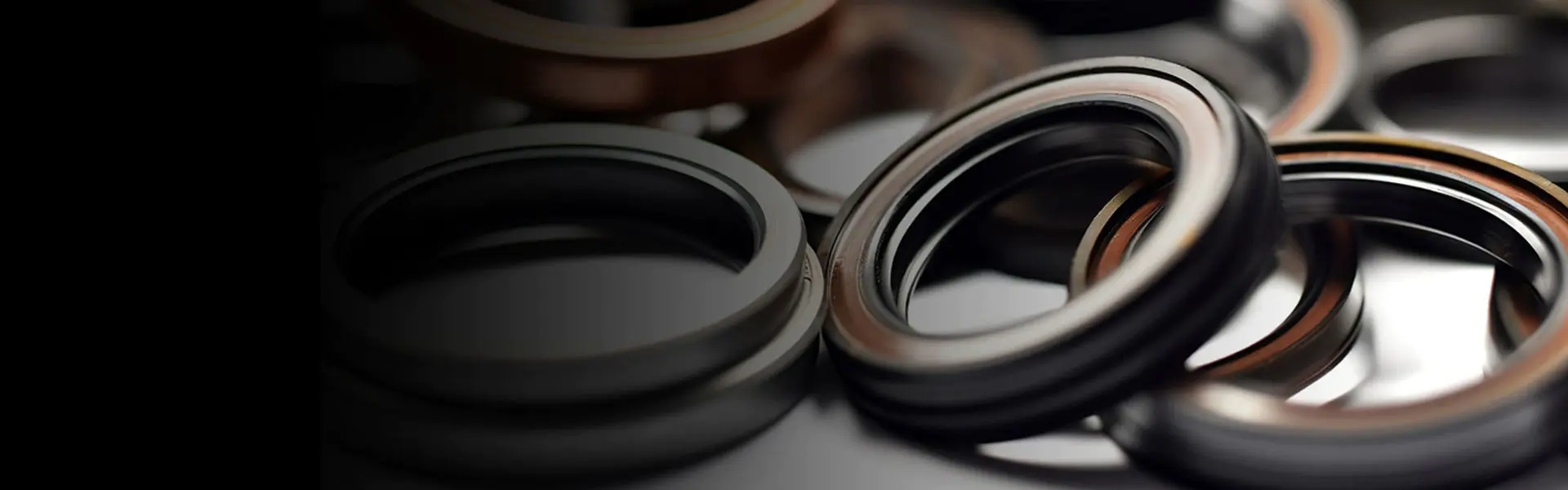
The reliability of industrial sealing systems hinges on the quality of their core components. Among the most critical and performance-driven gaskets used in demanding applications are Machines for Kammprofile Gaskets. Unlike standard gaskets, Kammprofile gaskets feature a unique corrugated metal core with a soft sealing layer laminated on both sides. This hybrid design offers unparalleled resilience, high-temperature stability, and exceptional sealing force, making them indispensable in sectors like oil & gas, petrochemical, power generation, and heavy machinery. However, the inherent complexity of their structure demands specialized, high-precision machinery for production. This comprehensive guide delves into the world of these specialized machines, exploring their technical parameters, operational advantages, and the critical role they play in manufacturing top-tier sealing solutions.
Machines for Kammprofile Gaskets are not standard stamping or cutting devices. They are sophisticated systems designed to perform a series of precise operations in sequence or simultaneously. The primary function is to take a flat metal sheet (typically stainless steel, carbon steel, or exotic alloys) and form it into the precise, continuous corrugated (kammprofile) pattern. Following this, the machine must accurately apply filler material—such as expanded graphite, PTFE, or ceramic fiber—to both sides of the corrugated core. The entire process requires exceptional control over pressure, temperature (for thermal bonding processes), and alignment to ensure a void-free, uniformly bonded laminate that meets strict dimensional and performance tolerances.
Key operational stages include:
The performance and versatility of a Kammprofile gasket machine are defined by a set of core technical parameters. When evaluating machinery, such as the advanced lines offered by Kaxite, engineers focus on these specifications to match the machine to their production needs.
| Parameter | Description & Importance | Typical Kaxite Machine Range |
|---|---|---|
| Max. Working Width | Determines the maximum outer diameter (OD) of gaskets that can be produced from a single strip. Crucial for large flange connections. | 2000 mm to 3500 mm |
| Metal Core Thickness Range | The range of base metal gauges the machine can effectively form. Affects the pressure rating and rigidity of the final gasket. | 0.3 mm to 1.5 mm |
| Corrugation Pitch & Depth | The adjustable dimensions of the wave pattern. Defines the gasket's flexibility and surface pressure concentration. | Pitch: 3-10 mm / Depth: 0.5-2.0 mm |
| Filler Material Type Compatibility | Ability to process different soft filler materials (Graphite, PTFE, Mica, Ceramic) which may require different handling or bonding parameters. | Compatible with all major filler types; adjustable pressure/heat zones. |
| Bonding Pressure & Control | Precise, adjustable hydraulic or pneumatic pressure applied during lamination. Essential for consistent filler density and adhesion. | Up to 300 Bar, with closed-loop digital control. |
| Integrated Cutting System | Type of cutting technology (CNC Router, Laser, Waterjet) and its precision (± tolerance). Eliminates secondary operations. | High-speed CNC Router with ± 0.1 mm tolerance; Laser option available. |
| Production Speed | Linear production speed in meters per minute. Impacts overall throughput and efficiency for high-volume orders. | 0.5 - 5 meters/min (variable based on material and complexity). |
| Control System & Automation | Level of automation (PLC, HMI, recipe storage). Reduces operator error and ensures repeatability between batches. | Industrial PLC with touch-screen HMI; automated recipe management. |
Attempting to produce Kammprofile gaskets on adapted or generic machinery leads to significant quality compromises and operational risks. Specialized machines address the unique challenges of this process:
Q: What is the main advantage of using a fully automated machine over a semi-automatic one for Kammprofile gasket production?
A: The primary advantage is unmatched consistency and repeatability. A fully automated system, like those engineered by Kaxite, controls every parameter—feeding speed, forming pressure, bonding temperature, and cutting path—through a centralized PLC. This eliminates human variability, ensuring that the 1st gasket and the 1000th gasket in a batch are identical. It significantly reduces material waste from errors, increases overall throughput, and allows for precise documentation of production parameters for quality traceability, which is often required in regulated industries like ASME pressure vessel applications.
Q: Can one machine produce gaskets with different corrugation profiles (e.g., both V-shaped and trapezoidal waves)?
A: Yes, but it depends on the machine's design. Higher-end models are built with quick-change tooling systems. This allows operators to swap out the forming dies and rollers to create different corrugation profiles. When specifying a machine, it's crucial to discuss your need for profile flexibility with the manufacturer. Kaxite machines are often designed with modular tooling stations, enabling changeovers within a short timeframe to accommodate diverse customer orders without requiring a separate machine for each profile type.
Q: How does the machine handle different filler materials, such as switching from graphite to PTFE?
A: Handling different fillers requires adjustments in the machine's bonding section. Graphite typically requires controlled pressure for mechanical bonding, while PTFE may need specific surface treatments or adhesive activation. Advanced machines feature adjustable bonding zones where pressure, and optionally heat, can be precisely set and saved as "recipes" for each material type. The feeding system must also be gentle and adaptable. Kaxite systems use customizable material guides and tension controls to cleanly feed both brittle (graphite) and slippery (PTFE) materials without snagging or stretching.
Q: What are the key maintenance requirements for these precision machines?
A: Regular, preventive maintenance is critical to preserve accuracy and longevity. Key requirements include: daily cleaning of forming dies and guide rails to prevent material buildup; regular lubrication of all moving parts as per the manufacturer's schedule; periodic calibration of pressure gauges and heating elements; inspection and tightening of bolts and fittings that may vibrate loose; and software backups for the control system. Kaxite provides detailed maintenance manuals and often offers scheduled service contracts to support optimal machine performance and minimize unplanned downtime.
Q: Is it possible to integrate a Kammprofile gasket machine with a factory's existing ERP or MES system?
A: Absolutely. Modern industrial machinery is built with connectivity in mind. Most machines for Kammprofile gaskets come with standard communication protocols (e.g., OPC UA, Modbus TCP/IP). This allows for integration with Manufacturing Execution Systems (MES) or Enterprise Resource Planning (ERP) software. Data such as production counts, machine status (running/idle/fault), material consumption, and completed order details can be transmitted in real-time. This integration, a standard feature in Kaxite's newer models, enables better production planning, inventory management, and overall operational intelligence.
Kaxite has established itself as a leader in the design and manufacture of heavy-duty, precision machinery for sealing components. Our approach to Machines for Kammprofile Gaskets is rooted in decades of practical industry feedback and engineering innovation. We understand that our customers are not just buying a machine; they are investing in a production asset that must deliver reliability, precision, and a return on investment for years to come.
Kaxite machines are characterized by their robust weldment frames that resist deflection under high forming pressures, ensuring consistent corrugation geometry across the full working width. Our proprietary bonding system features individually controlled zones, allowing for perfect lamination even with uneven or multi-layer filler materials. Furthermore, the user-friendly HMI interface is designed for intuitive operation, reducing training time and empowering operators to manage complex production schedules efficiently. From standalone units to fully automated production cells, Kaxite provides scalable solutions tailored to specific production volumes and technical requirements.
Choosing the appropriate machine requires a careful analysis of your production profile. Consider the following checklist:
Engaging with an experienced manufacturer like Kaxite during this selection phase is invaluable. Our engineering team can help translate your application requirements into precise machine specifications, ensuring the equipment you invest in becomes a cornerstone of your quality and manufacturing strategy for Kammprofile gaskets.


