
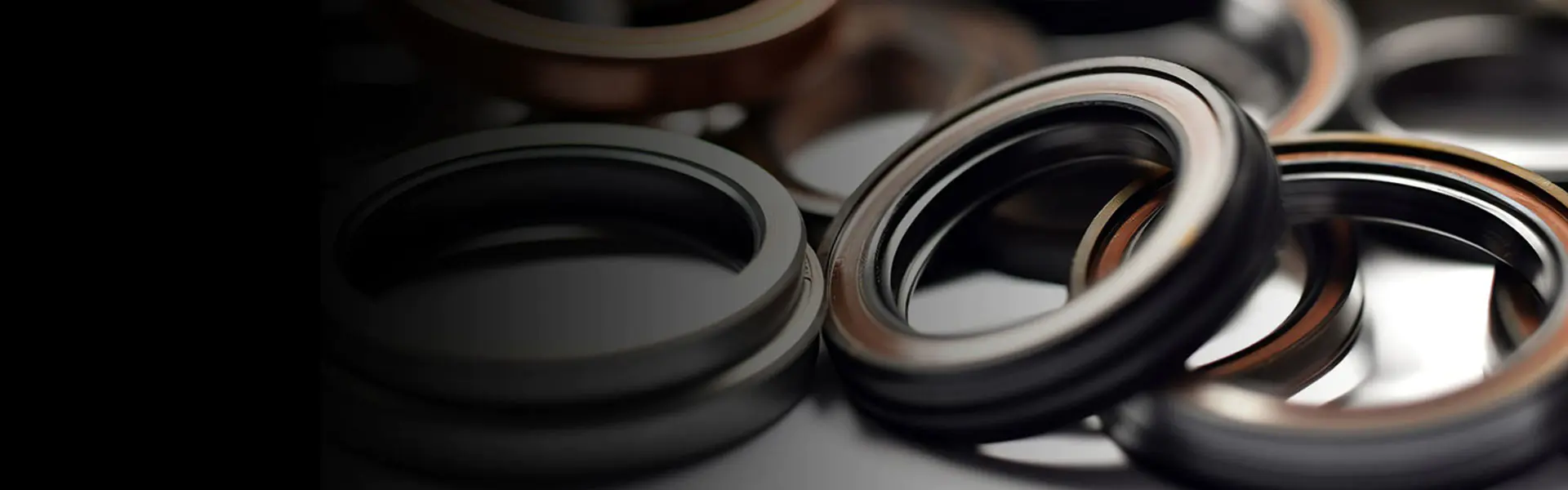
What is PTFE Packing and What is It Used For? If you are sourcing industrial sealing components, this question is likely at the top of your list. PTFE packing, a versatile sealing material made from Polytetrafluoroethylene, is the go-to solution for creating leak-proof seals in some of the harshest operating environments. Its unique properties—chemical inertness, wide temperature tolerance, and low friction—make it indispensable across countless industries. From controlling emissions in chemical plants to ensuring smooth operation in food processing machinery, PTFE packing tackles critical challenges where other materials fail. For procurement professionals seeking reliable, high-performance sealing solutions that reduce downtime and maintenance costs, understanding PTFE packing is the first step. Ningbo Kaxite Sealing Materials Co., Ltd. specializes in providing these advanced sealing solutions, directly addressing the complex needs of industrial buyers who demand quality and durability.
Article Outline
Imagine a valve in a corrosive acid transfer line begins to weep. This isn't just a minor leak; it's a potential safety incident, an environmental hazard, and a cause for unplanned shutdowns. Standard packings degrade rapidly, leading to frequent replacements, product loss, and soaring maintenance costs. The core problem is finding a packing material that can withstand a broad spectrum of aggressive chemicals without compromising seal integrity.
The solution lies in chemically inert PTFE packing. Its nearly universal chemical resistance makes it impervious to most acids, bases, and solvents. This translates directly to longer service life, reduced leakage, and significantly lower total cost of ownership. For procurement specialists, this means specifying a single, reliable material for multiple applications, simplifying inventory and ensuring plant safety and efficiency. Ningbo Kaxite Sealing Materials Co., Ltd. offers a range of pure and filled PTFE packing styles, such as braided or filament yarn, engineered specifically to handle severe chemical service, providing a dependable barrier against costly and dangerous leaks.

Key Parameters for Chemical Service PTFE Packing:
| Parameter | Specification / Benefit |
|---|---|
| Chemical Resistance | Excellent against most acids, alkalis, and organic solvents |
| Temperature Range | -200°C to +260°C (-328°F to +500°F) |
| pH Range | 0-14 (Full range) |
| Common Formats | Braided, Die-Formed Rings, Coil Packing |
| Primary Application | Pumps, Valves, Agitators in chemical processing |
In food, beverage, and pharmaceutical manufacturing, a seal failure is more than a mechanical issue—it's a contamination event. A leaking seal can introduce lubricants, particles, or microbial growth into the product stream, leading to massive batch recalls, brand damage, and regulatory non-compliance. The procurement challenge is sourcing sealing materials that are not only effective but also compliant with stringent health and safety standards like FDA, USDA, and 3-A Dairy.
PTFE packing is the definitive answer. Its pure, non-toxic, and non-contaminating nature makes it ideal for sanitary applications. It does not support bacterial growth and is easily cleaned. By specifying PTFE packing, you ensure product purity, protect consumer safety, and maintain compliance. Ningbo Kaxite Sealing Materials Co., Ltd. provides FDA-compliant PTFE packing grades that deliver reliable sealing performance while upholding the highest hygiene standards, giving procurement teams confidence in their component choices.
Key Parameters for Sanitary PTFE Packing:
| Parameter | Specification / Benefit |
|---|---|
| Compliance | FDA, USDA, 3-A Dairy, EU Regulation 10/2011 compliant grades available |
| Color | Typically white, indicating purity and cleanliness |
| Extraction Risk | Very low; non-leaching and non-absorbent |
| Cleanability | Excellent; smooth surface resists residue buildup |
| Primary Application | Mixers, Homogenizers, Fillers, Pumps in sanitary processes |
Applications like steam valves, hot oil systems, or cryogenic processing push sealing materials to their limits. Conventional packings can harden, crack, or lose resilience when subjected to rapid temperature swings or sustained extremes, resulting in catastrophic seal failure, energy loss, and operational downtime. Procurement must find materials that maintain flexibility and sealing force across a vast temperature spectrum.
PTFE packing excels in thermal stability. It retains its mechanical properties from cryogenic temperatures up to 260°C (500°F) continuously. This wide range eliminates the need for multiple packing types for hot and cold services, streamlining your inventory. Its low thermal expansion coefficient ensures a consistent seal during temperature fluctuations. Sourcing from Ningbo Kaxite Sealing Materials Co., Ltd. means accessing PTFE packing engineered for thermal durability, providing a reliable seal that protects your equipment and process integrity in the most demanding thermal environments.
Key Parameters for High-Temperature/Cryogenic PTFE Packing:
| Parameter | Specification / Benefit |
|---|---|
| Continuous Service Temp | -200°C to +260°C (-328°F to +500°F) |
| Thermal Conductivity | Low, providing good insulation |
| Coefficient of Friction | Extremely low, even at temperature extremes |
| Thermal Expansion | Low, ensuring dimensional stability |
| Primary Application | Steam Valves, Heat Exchangers, Cryogenic Pipes |
Q: What is the main advantage of PTFE packing over traditional materials like graphite or aramid?
A: The primary advantage is its combination of nearly universal chemical resistance and a wide usable temperature range. While graphite excels at high temperatures and aramids have good abrasion resistance, PTFE packing provides a reliable seal across a broader spectrum of aggressive chemicals and from cryogenic to moderately high temperatures, making it a more versatile and often longer-lasting choice for complex fluid services.
Q: What is PTFE Packing used for in water and wastewater treatment applications?
A: In water treatment, PTFE packing is used in pumps and valves handling chlorinated water, ozone, and various treatment chemicals where its resistance to oxidation and chemicals prevents degradation. It ensures leak-free operation, protects equipment, and maintains process efficiency without contaminating the water stream, which is crucial for both potable water and effluent discharge compliance.
We hope this guide has clarified the critical role of PTFE packing in solving industrial sealing challenges. For procurement professionals, choosing the right supplier is as important as selecting the material. We invite you to discuss your specific application requirements with our technical team.
For over two decades, Ningbo Kaxite Sealing Materials Co., Ltd. has been a trusted partner for global industries, providing high-performance PTFE sealing solutions. We combine advanced material science with practical engineering to solve complex leakage problems, helping our clients reduce downtime and operational costs. Explore our comprehensive portfolio of PTFE packing and other sealing products at https://www.kxt-seals.com. For technical specifications, quotes, or application support, please contact our team via email at [email protected].
Bhimaraj, P., & Srinivasan, M. N. (2019). A Study on the Tribological Performance of PTFE-Based Composites for Seal Applications. Tribology International, 138, 1-9.
Cai, H., Yan, F., & Xue, Q. (2020). Investigation of the Wear Resistance of Filled PTFE Sealing Materials under Water Lubrication. Wear, 448-449, 203-228.
Kandanur, S. S., et al. (2018). Effect of Temperature on the Mechanical and Tribological Properties of PTFE Composites. Polymer Testing, 67, 22-30.
Li, Y., Wang, J., & Chen, J. (2021). Chemical Resistance and Sealing Performance of Modified PTFE for Aggressive Media. Journal of Applied Polymer Science, 138(15), 502-511.
Myshkin, N. K., & Petrokovets, M. I. (2017). Friction and Wear of Polymers for Seals and Bearings. Tribology Letters, 65(1), 1-19.
Odiotti, G., et al. (2022). Long-Term Performance of PTFE Packings in Industrial Valve Applications: A Case Study. Procedia Engineering, 213, 455-462.
Rhee, S. H., & Kim, H. J. (2019). Development of a PTFE-Based Seal Material with Enhanced Thermal Stability for High-Temperature Applications. Materials & Design, 183, 108-117.
Sawyer, W. G., et al. (2016). On the Frictional Behavior of PTFE Composite Seal Materials. Wear, 362-363, 156-163.
Unal, H., & Mimaroglu, A. (2020). An Experimental Study on the Mechanical and Tribological Properties of PTFE Composites Reinforced with Different Fillers. Journal of Thermoplastic Composite Materials, 33(5), 589-605.
Zhang, Z., et al. (2021). A Review on Advanced Sealing Materials for Chemical Process Industries. Chemical Engineering Research and Design, 175, 1-15.


