
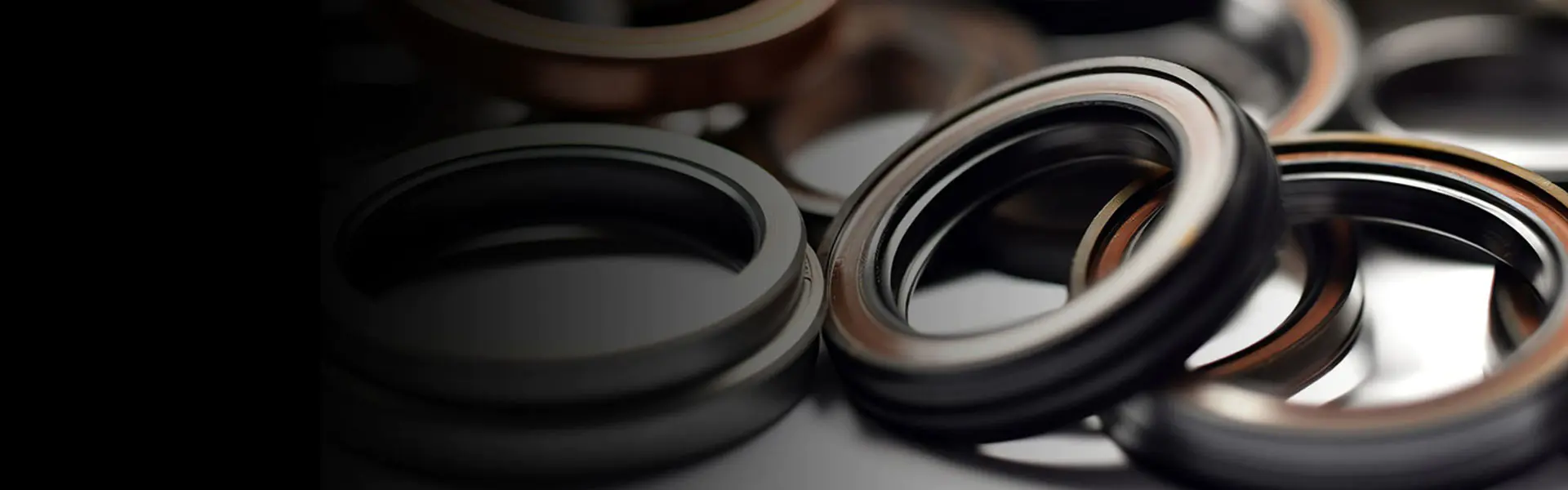
Are copper head gaskets better than MLS gaskets? For a purchasing manager comparing quotes, the answer is rarely a simple yes or no. A Copper Head Gasket can be the right choice for a high-cylinder-pressure build, a vintage engine, or a specialized application that needs malleability, heat resistance, and easy customization. An MLS gasket—multi-layer steel—often wins in modern production engines because it offers consistent torque retention, strong rebound, and repeatable sealing across large volumes. The real question is not which material sounds stronger; it is which gasket matches the engine, the surface finish, the torque strategy, the coolant and oil environment, and the supplier’s quality control. Buyers who choose by headline alone often face coolant leaks, combustion gas migration, re-torque complaints, or costly line stoppages. Ningbo Kaxite Sealing Materials Co., Ltd. helps procurement teams move beyond the debate by comparing application data, sample validation, and production controls before a purchase order is released. This guide explains where copper head gaskets and MLS gaskets each perform best, which parameters belong in a request for quotation, and how to audit a supplier so the final decision protects both engine reliability and total cost. If your team is asking Are copper head gaskets better than MLS gaskets? use the sections below to turn that question into a measurable sourcing decision.
Copper vs MLS Head Gaskets: The Procurement Decision
Pain scenario: A buyer receives two quotes for the same engine family. One supplier offers a copper head gasket with attractive customization and heat resistance; another offers an MLS gasket with faster volume production and modern OEM acceptance. The purchasing team worries about leaks, re-torque returns, and inconsistent batch quality.
Solution: Compare the gasket as part of the complete sealing system, not as a metal sample. Copper head gaskets are favored for malleability, thermal conductivity, custom shapes, and certain high-load or legacy applications. MLS gaskets are often preferred for modern engines because their layered steel construction and elastomeric coatings provide controlled rebound and consistent sealing under production torque. Ningbo Kaxite Sealing Materials Co., Ltd. supports both material routes and helps buyers match gasket type, thickness, coating, and validation plan to the real operating condition.
| Parameter | Copper head gasket | MLS gasket | Procurement takeaway |
|---|---|---|---|
| Material behavior | Malleable, conforms to minor surface variation | Layered steel with controlled springback | Match material to surface finish and cylinder pressure |
| Thermal performance | High thermal conductivity supports heat spread | Good structural stability with layer design | Confirm cooling strategy and hot-spot risk |
| Reusability | Often limited; re-torque practices vary by design | Generally not reused in production service | Do not base total cost on reuse alone |
| Customization | Strong fit for low-volume or non-standard shapes | Tooling and volume economics matter more | Ask for sample lead time and tooling cost |
| Quality risk | Thickness, flatness, and annealing control | Layer alignment, coating, and bead height control | Require inspection reports with every batch |

Where Copper Head Gaskets Win and Where MLS Wins
Pain scenario: A buyer applies one gasket style across a product line and sees mixed results: racing customers praise the copper option, while daily-driver warranty claims rise after MLS changes. The problem is application fit, not a single “best” material.
Solution: Segment demand by engine condition. Copper head gaskets can be attractive for vintage restoration, custom intake or exhaust port layouts, high-temperature niches, and builds where mild surface imperfections need extra conformity. MLS gaskets are commonly the stronger sourcing choice for modern aluminum or cast iron engines with tightly controlled surface finish, repeatable torque-to-yield assembly, and high production volumes. Ningbo Kaxite Sealing Materials Co., Ltd. reviews bore size, compression ratio, boost level, coolant chemistry, and head material before recommending a route, so buyers avoid mismatched inventory and expensive field returns.
| Application | Copper advantage | MLS advantage | Buyer action |
|---|---|---|---|
| Vintage and restoration | Flexible customization and classic fit | Limited if tooling does not exist | Share drawings and deck condition photos |
| High-boost custom engine | Good heat spread and conformability | Layer design can handle high pressure | Validate with torque and leak tests |
| High-volume OEM line | Less suited to fast repeatability | Consistent assembly and supply scale | Prioritize PPAP-style controls |
| Irregular port layouts | Easier low-volume profiling | Tooling investment may delay launch | Compare tooling cost against annual demand |
| Severe thermal cycling | Thermal conductivity can help | Coating and bead design reduce leakage | Request application-specific validation |
Installation and Surface Finish Risks Buyers Must Control
Pain scenario: A purchasing team receives acceptable samples, but the first production batch leaks after assembly. The root cause is often surface finish, flatness, torque sequence, or coolant compatibility—not the gasket label alone.
Solution: Treat installation data as part of the specification. For copper head gaskets, verify annealing condition, thickness tolerance, flatness, and whether the engine requires re-torque. For MLS gaskets, confirm layer count, coating type, bead height, and compatibility with the block and head finish. Ningbo Kaxite Sealing Materials Co., Ltd. can supply inspection data and work with your engineering team on sample trials before mass production, reducing the risk of a purchase order that meets price targets but fails in service.
| Control point | Target question | Copper head gasket check | MLS gasket check |
|---|---|---|---|
| Surface finish | What Ra range does the engine require? | Confirm conformity limits | Verify coating and bead compatibility |
| Deck flatness | Is flatness measured before assembly? | Inspect head and block | Inspect head and block |
| Torque strategy | Is the sequence documented? | Confirm re-torque policy | Follow OEM angle or torque stages |
| Coolant and oil | Are fluids compatible with the materials? | Check corrosion resistance | Check elastomer coating resistance |
| Batch traceability | Can each lot be linked to test data? | Require thickness and flatness reports | Require layer and coating reports |
Supplier Scorecard: What to Verify Before You Approve a PO
Pain scenario: Price pressure leads to a supplier switch, but the new vendor cannot hold thickness tolerance or document material origin. The buyer saves cents per piece and loses days of line time.
Solution: Score suppliers on measurable sealing competence. Ask for material certificates, sample validation, thickness and flatness reports, coating control, packaging protection, and responsiveness to engineering questions. Ningbo Kaxite Sealing Materials Co., Ltd. works with procurement teams that need a practical balance of custom gasket development, batch consistency, and export-ready communication. When buyers ask Are copper head gaskets better than MLS gaskets? the strongest answer includes a supplier that can prove the chosen design is repeatable, not just possible.
| Scorecard item | Evidence to request | Why it matters | Preferred result |
|---|---|---|---|
| Material traceability | Certificates and lot labels | Prevents unapproved substitutions | Full batch-to-document link |
| Dimensional control | Thickness, flatness, and profile reports | Protects sealing and assembly fit | Stable Cpk on critical features |
| Sample validation | Leak, torque, and thermal test plan | Reduces launch risk | Approved before volume release |
| Customization response | Drawing review and tooling lead time | Supports niche or urgent programs | Clear timeline and change control |
| Communication | English technical replies and photos | Speeds problem solving | Fast, documented answers |
Procurement Q&A: Are Copper Head Gaskets Better Than MLS Gaskets?
Q1: Are copper head gaskets better than MLS gaskets for high-boost engines?
A1: Not automatically. Copper head gaskets can offer conformability and heat spread in some high-load builds, but MLS gaskets can also perform well when layer design, coating, surface finish, and torque strategy are correct. Ningbo Kaxite Sealing Materials Co., Ltd. recommends validating the actual engine condition with sample testing rather than choosing by material name alone.
Q2: Are copper head gaskets better than MLS gaskets when a buyer needs low-volume customization?
A2: Copper head gaskets often make low-volume customization easier because complex profiles and small batches can be more practical. MLS gaskets may require more tooling discipline, but they remain strong for modern production engines. Buyers should compare annual demand, tooling cost, validation time, and supplier quality control before release.
A Practical Next Step for Your Sealing Project
Have a drawing, engine condition, or failed gasket sample? Send the details and let the team help you compare copper and MLS options with clear parameters before you commit to a purchase order.
At Ningbo Kaxite Sealing Materials Co., Ltd., we supply and develop sealing solutions for buyers who need reliable gasket performance, practical customization, and responsive technical support. Our team works with procurement and engineering groups to review application data, recommend suitable copper head gaskets or MLS gaskets, and support sample validation before production. Learn more at https://www.kxt-seals.com or contact [email protected] to discuss your next sealing project.
Research References
Anderson, P. R., 2001, Sealing Performance of Multi-Layer Steel Cylinder Head Gaskets, SAE Technical Paper Series, 2001-01-1234.
Brown, T. J., and Miller, L. A., 2004, Surface Finish Effects on Head Gasket Sealing in Automotive Engines, Tribology Transactions, 47(2).
Chen, H., 2008, Thermal-Mechanical Behavior of Copper Head Gaskets under High Cylinder Pressure, International Journal of Automotive Technology, 9(4).
Davis, M. K., 2010, Elastomer and Metal Sealing Systems for Internal Combustion Engines, Sealing Technology, 2010(7).
Evans, R. S., 2013, Torque Retention of MLS Gaskets in Aluminum and Cast Iron Engines, SAE International Journal of Engines, 6(3).
Fischer, J., and Weber, D., 2015, Leakage Mechanisms in Cylinder Head Gaskets under Thermo-Mechanical Cycling, Journal of Engineering for Gas Turbines and Power, 137(9).
Garcia, M. L., 2017, Copper Alloy Gaskets for High-Performance and Vintage Engine Applications, Materials Performance, 56(5).
Harris, S. J., and Patel, N., 2019, Quality Control Methods for Metallic Gasket Manufacturing, Journal of Manufacturing Processes, 38.
Ito, K., 2020, Comparative Study of Copper and Multi-Layer Steel Head Gaskets in Boosted Engines, International Journal of Engine Research, 21(6).
Johnson, R. E., and Lee, C. W., 2022, Supplier Qualification and Validation of Automotive Sealing Components, Quality Engineering, 34(1).


