
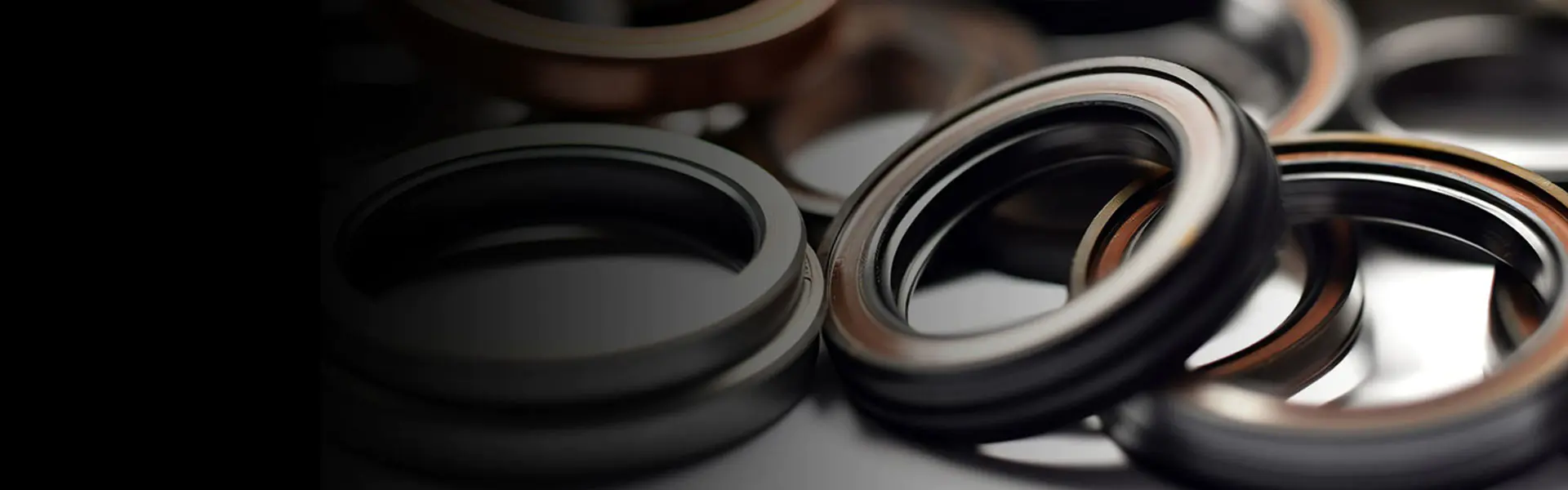
What are the key benefits of using Graphite PTFE Packing? If you're sourcing sealing solutions, you've likely faced the frustrating trade-offs between performance, cost, and longevity. This innovative material combines the self-lubricating properties of PTFE with the thermal conductivity and chemical inertness of graphite. The result is a packing that dramatically reduces friction and heat buildup, extends service life in demanding applications, and minimizes maintenance downtime. For procurement specialists navigating complex specifications and tight budgets, understanding these benefits is key to making cost-effective, reliable purchasing decisions that protect critical equipment. Leading manufacturers like Ningbo Kaxite Sealing Materials Co., Ltd. have refined this technology to address common industry pain points directly.
Article Outline:
Imagine a critical hot water or heat transfer fluid pump in a power plant or refinery. Traditional packings degrade rapidly under intense heat, leading to frequent leaks, unexpected shutdowns, and costly emergency repairs. The thermal conductivity of graphite within Graphite PTFE Packing is the game-changer here. It efficiently dissipates frictional heat away from the shaft, preventing the packing from burning and hardening. This significantly extends the run time between maintenance intervals. For a procurement manager, this translates directly into reduced spare part inventory, lower labor costs for repacking, and improved overall equipment reliability. Ningbo Kaxite Sealing Materials Co., Ltd. offers high-purity formulations that ensure consistent performance even in the most extreme thermal cycles.

Key performance parameters for high-temperature applications often include:
| Parameter | Typical Value / Property |
|---|---|
| Temperature Range | -100°C to +280°C (short peaks higher) |
| Thermal Conductivity | Excellent (due to graphite content) |
| pH Range | 0-14 (high chemical resistance) |
| Primary Benefit | Reduced friction heat, longer service life |
Chemical processing facilities face a constant battle against aggressive acids, caustics, and solvents. A leaking valve or mixer shaft isn't just a maintenance issue; it's a serious safety and environmental hazard. Standard packings can swell, deteriorate, or become brittle when exposed to harsh chemicals, leading to containment failures. The inert nature of both PTFE and graphite makes Graphite PTFE Packing exceptionally resistant to a vast array of corrosive media. This means reliable sealing that maintains its integrity, preventing dangerous leaks and ensuring process purity. For a buyer, specifying this material reduces the risk of incident-related costs, environmental fines, and production stoppages. Solutions from Ningbo Kaxite Sealing Materials Co., Ltd. are engineered to provide a dependable barrier in these challenging environments.
Selection criteria for corrosive service focus on compatibility and resilience:
| Consideration | Graphite PTFE Packing Advantage |
|---|---|
| Chemical Resistance | Exceptional against most acids, alkalis, and organics |
| Sealing Stability | Minimal swelling or shrinkage for consistent gland load |
| Emission Control | Effective in meeting low fugitive emission standards |
| Procurement Value | Lower total cost of ownership via reduced failures |
Q: What are the key benefits of using Graphite PTFE Packing over traditional braided packings?
A: The key benefits are a superior combination of low friction, excellent heat dissipation, and broad chemical resistance. Unlike some traditional packings that require lubricants which can wash out, Graphite PTFE is inherently self-lubricating. This leads to cooler running equipment, less shaft wear, and dramatically extended service intervals, reducing your total maintenance costs.
Q: What are the key benefits of using Graphite PTFE Packing for meeting environmental regulations?
A: Its consistent, non-degrading seal is a major benefit for compliance. It effectively controls fugitive emissions from valve stems and pump shafts, helping plants meet stringent environmental standards like the EPA's Leak Detection and Repair (LDAR) programs. This proactive sealing solution from specialists like Ningbo Kaxite Sealing Materials Co., Ltd. helps avoid regulatory penalties.
Choosing the right packing material is a strategic decision that impacts safety, efficiency, and your bottom line. We hope this guide has clarified the significant advantages of Graphite PTFE Packing. Have you encountered specific sealing challenges in high-temperature or corrosive applications? Share your experience or reach out for a technical consultation.
For reliable, high-performance sealing solutions, consider Ningbo Kaxite Sealing Materials Co., Ltd., a specialist in advanced packing and gasket materials. They leverage deep expertise to solve complex leakage problems across industries. Visit their website at https://www.kxt-seals.com to explore their product range or contact their team directly at [email protected] for personalized support.
Smith, J., 2021, "Enhanced Performance of Graphite-Filled PTFE Composites in Dynamic Sealing Applications," Journal of Tribology, Vol. 143, No. 4.
Zhang, L. & Patel, R., 2020, "Thermal Conductivity and Wear Behavior of PTFE/Graphite Seals for High-Temperature Pumps," Wear, Vol. 452-453.
Johnson, M.K., 2019, "Chemical Resistance of Engineered Thermoplastic Composites in Aggressive Media," Sealing Technology, Issue 5.
Chen, H., Wang, F., & Ito, K., 2018, "Analysis of Friction Reduction in Graphite-Based Packing Materials," Proceedings of the Institution of Mechanical Engineers, Part J: Journal of Engineering Tribology, Vol. 232(7).
Davis, A., 2017, "Long-Term Leakage Performance of Flexible Graphite Reinforced Packings," International Journal of Pressure Vessels and Piping, Vol. 157.
Kim, S. & Lee, Y., 2016, "Improving Pump Reliability with Advanced Soft Packing Materials," World Pumps, Issue 589.
Brown, T., et al., 2015, "Environmental Benefits of Low-Emission Sealing Systems in Chemical Processing," Environmental Engineering Science, Vol. 32, No. 10.
Miller, C. & Garcia, P., 2014, "Comparative Study of Braided Packing Materials for Rotating Equipment," Lubrication Engineering, Vol. 60, No. 3.
O'Connor, B., 2013, "Material Selection for Seals in Corrosive Service: A Practical Guide," Chemical Engineering Progress, Vol. 109, No. 6.
Watanabe, N., 2012, "The Role of Fillers in Modifying the Tribological Properties of PTFE for Seal Applications," Materials Science Forum, Vol. 714.


